

Gold Earring Types Explained: Your 2026 Style Guide
Gold earring types explained start with four foundational styles: studs, hoops, drops, and dangles. Each style carries distinct characteristics, and the gold material beneath determines how long they last and how your skin responds. Whether you are shopping for yourself or choosing a gift, understanding these categories saves you from costly mistakes. Gold purity levels, from 10K to 18K, affect color, durability, and price in ways most buyers do not anticipate. This guide covers every major style, material distinction, and current trend you need to make a confident choice.
What are the main gold earring types and styles?
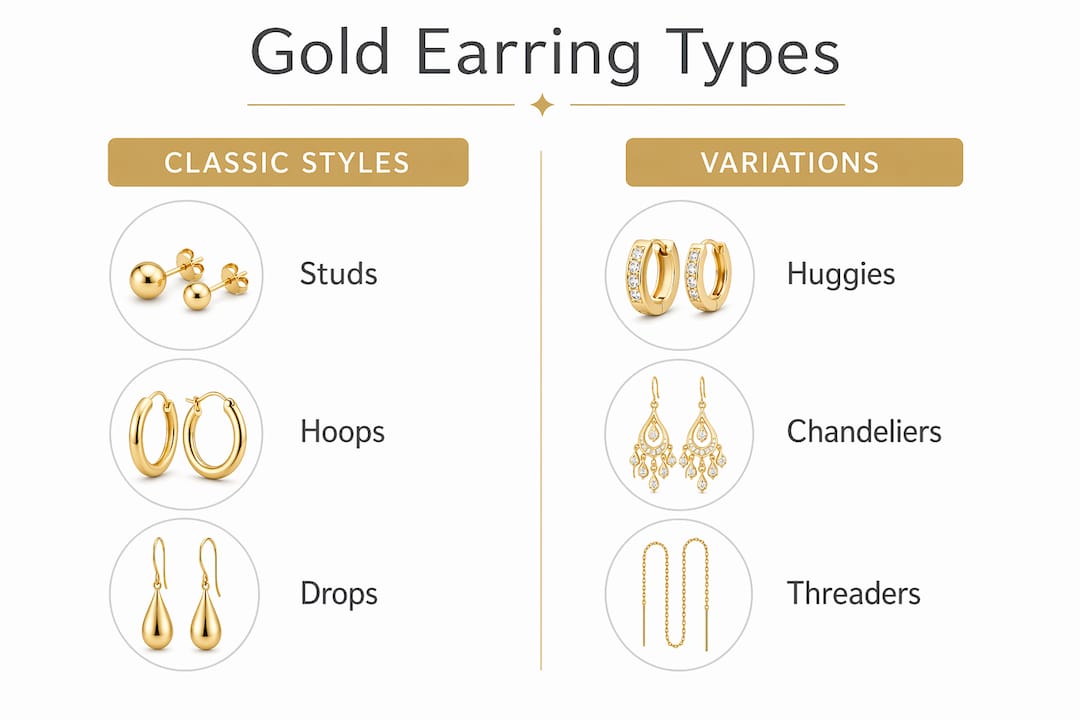
The four foundational earring categories are studs, hoops, drops, and dangles, with popular variations like huggies and chandeliers falling under these broader groups. Knowing which category a style belongs to helps you shop with clarity and purpose.
Studs
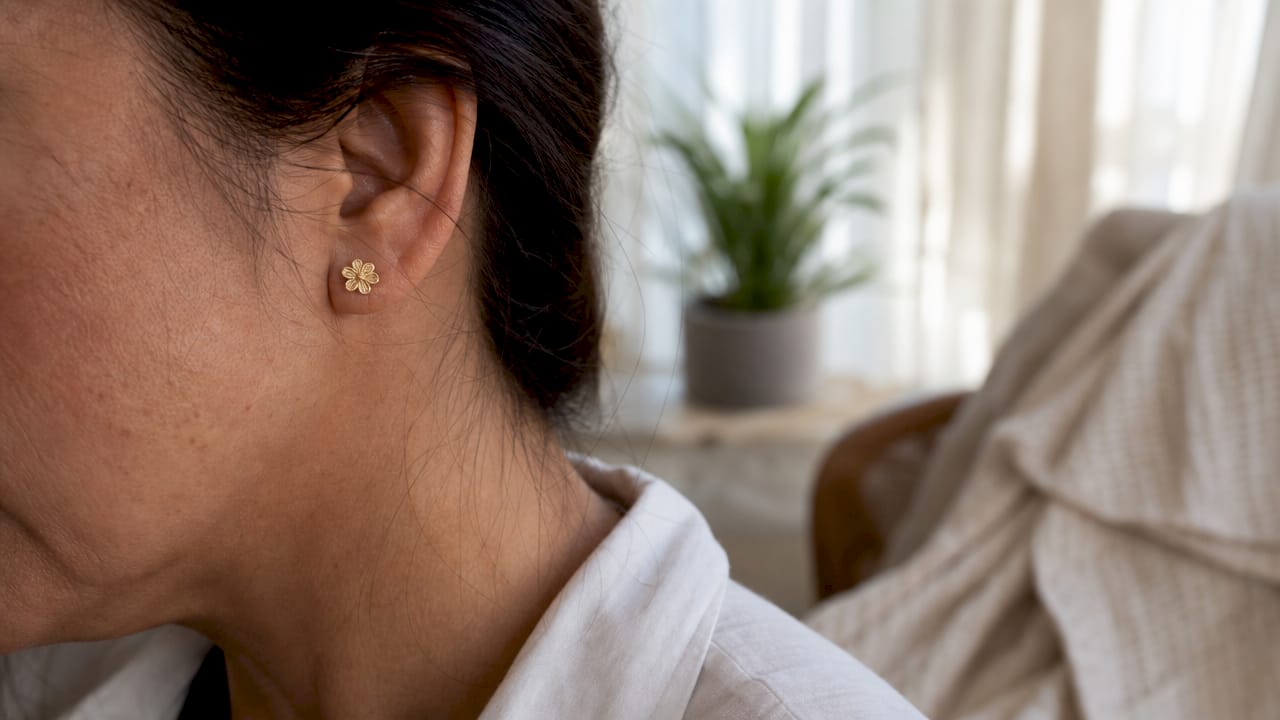
Stud earrings are the most universal style, ranging from simple metal balls to gemstone settings and geometric shapes. They sit flat against the earlobe, making them ideal for everyday wear, office settings, and formal occasions. A classic 3mm round gold stud, like the 14K yellow gold polished round stud, works with virtually any outfit. Studs are also the best starting point for building a curated ear stack.
Hoops
Hoop size determines their impact: small hoops under 20mm read as subtle and refined, medium hoops between 20–40mm work for both office and casual wear, and large hoops above 40mm make a clear statement at events. Weight increases with size, so comfort becomes a real factor with larger styles. Medium hoops in the 25–50mm range hit the sweet spot for daily versatility.
Drops and dangles
Drop earrings hang just below the earlobe and move gently with the wearer. Dangle earrings extend further, often reaching the shoulder, and feature more movement and visual drama. Drops suit dinner parties and weddings. Dangles, like the 14K cutout oval chain dangling earrings, work best for events where you want your earrings to be the focal point of your look.
Huggies, chandeliers, threaders, and ear cuffs
Huggies typically measure 8–14mm in diameter and sit snugly around the earlobe. They offer the look of a hoop with the comfort of a stud, making them a favorite for daily wear. Chandelier earrings fan out below the lobe in tiered layers, adding volume and drama near the jawline. Threader earrings pull a thin chain through the piercing for a delicate, modern look. Ear cuffs require no piercing and clip along the outer ear cartilage.
Pro Tip: Mix a huggie in your first hole with a small stud in your second for an effortless layered look without needing additional piercings.
How does gold purity affect quality and comfort?
Gold purity is measured in karats, with 24K being pure gold and lower numbers indicating alloy content. The alloy metals added to gold change its hardness, color, and how your skin reacts to it.
14K vs. 18K gold
14K gold contains 58.3% pure gold and 41.7% alloy metals, making it harder and more scratch-resistant than higher karat options. 18K gold contains 75% pure gold, giving it a richer, deeper yellow color and a softer feel. For sensitive ears, solid 14K or 18K gold is recommended for most wearers, with implant-grade titanium as the safest option for those with metal sensitivities. The higher the karat, the less likely you are to experience irritation from alloy metals like nickel or copper.
Solid gold, gold-filled, and gold-plated
| Type | Gold content | Lifespan | Best for |
|---|---|---|---|
| Solid gold (14K/18K) | 58–75% gold throughout | Decades with care | Everyday wear, sensitive skin |
| Gold-filled | Thick gold layer bonded to base metal | 10–30 years | Budget-conscious buyers wanting durability |
| Gold-plated | Thin gold layer over base metal | 1–2 years at best | Occasional wear, trend pieces |
Gold-filled jewelry can last 10–30 years, while gold-plated items wear off within months to a year under regular use. That difference matters enormously if you plan to wear a pair daily.
Skin reactions and what causes them
Green discoloration on earlobes results from a chemical reaction between skin acidity and copper content in alloys or from plating wearing off, not a true metal allergy. Switching to solid gold or implant-grade titanium resolves this issue in most cases. If you notice irritation or discoloration, the fix is upgrading your metal, not avoiding earrings altogether. The 14K yellow gold puffed oval earrings from Bakergoldchains use solid 14K gold throughout, eliminating the base metal contact that triggers most reactions.
Pro Tip: Check for a karat stamp inside the earring post or on the back. A stamp reading “14K” or “585” confirms solid gold content and gives you confidence before you buy.
What are the top gold earring trends for 2026?
The 2026 gold earring trends center on gold hoops, huggie earrings, curated ear stacks, pearl earrings, statement pieces, and ear cuffs. The common thread across all of them is intentionality: each piece is chosen to work with the others.
The most popular styles right now include:
- Medium gold hoops (20–30mm): The most versatile size, moving easily from a work meeting to a dinner out without looking out of place.
- Huggie earrings: Huggies provide a comfortable everyday option that pairs well with other earrings in a stacked look. Their small profile means they never feel heavy.
- Curated ear stacks: Wearing multiple earrings across the lobe and cartilage in a planned arrangement. Studs, hoops, and cuffs are combined deliberately for a collected look.
- Pearl earrings in modern forms: Pearls now appear as studs, drop earrings, and even hoop accents. The look is softer than a classic pearl but still polished.
- Statement and sculptural earrings: Oversized geometric drops and textured hoops for occasions where you want one strong focal point.
- Ear cuffs: No piercing required. They add visual interest to the upper ear and work well alongside simple studs in lower piercings.
Mixing metals is an established 2026 trend when done with consistent styling logic. Pairing a gold hoop with a silver stud reads as deliberate if the rest of your accessories follow the same pattern. A helpful guide on matching gold jewelry walks through the logic of metal mixing in detail.
How to choose gold earrings for your face shape and lifestyle
Selecting earrings by face shape helps achieve facial balance and boosts wearer confidence. The goal is to create contrast with your natural face shape, not mirror it.
- Round faces: Drop earrings and long dangles add length and create the appearance of a slimmer face.
- Square faces: Hoops and rounded styles soften strong jawlines. Medium gold hoops work particularly well here.
- Heart-shaped faces: Chandelier earrings add volume near the jawline, balancing a wider forehead.
- Oval faces: Nearly any style works. Oval faces have natural balance, so the choice comes down to occasion and personal preference.
- Oblong faces: Short studs and small hoops keep proportions balanced without adding extra length.
Beyond face shape, consider these practical factors:
- Weight: Heavier earrings stretch the piercing over time. For daily wear, keep earrings under 5 grams per ear.
- Earring backs: Butterfly backs are standard and secure for studs. Screw backs offer extra security for children or active wearers. Lever backs work well for drop earrings.
- Occasion: Studs and small hoops cover most daily situations. Save drops, dangles, and statement pieces for events where they get the attention they deserve.
- Skin sensitivity: Always prioritize solid 14K or 18K gold for piercings you wear daily. Reserve gold-plated pieces for occasional use only.
Pro Tip: If you are buying earrings as a gift and do not know the recipient’s face shape, a pair of medium gold hoops or classic studs works for nearly every face shape and occasion.
Key takeaways
Choosing the right gold earrings comes down to knowing your style category, understanding your gold type, and matching both to your lifestyle and skin needs.
| Point | Details |
|---|---|
| Four core style categories | Studs, hoops, drops, and dangles cover every earring style, with huggies and chandeliers as popular subtypes. |
| Gold type determines longevity | Solid 14K or 18K gold lasts decades; gold-filled lasts 10–30 years; gold-plated lasts 1–2 years at best. |
| Skin reactions have a fix | Green discoloration comes from copper alloys or plating wear-off, not true allergies. Solid gold resolves it. |
| Face shape guides style choice | Drops elongate round faces, hoops soften square faces, and chandeliers balance heart-shaped faces. |
| 2026 trends favor intentionality | Curated ear stacks and deliberate metal mixing define the current styling approach. |
What I have learned from years of watching people buy gold earrings
Most buyers walk into a gold earring purchase with one question: “Which style looks best?” That is actually the second question. The first question is: “What metal am I putting in my ears every day?”
I have seen buyers spend real money on beautiful gold-plated earrings, wear them for three months, and end up with green earlobes and a pair they cannot use. The fix is not complicated. Solid 14K gold costs more upfront, but it does not fail you. Gold-filled is a reasonable middle ground if budget is tight. Gold-plated belongs in your occasional rotation, not your daily one.
On the style side, I think the trend toward curated ear stacks is genuinely useful because it forces you to think about your earrings as a system rather than individual pieces. Start with a reliable stud in your first hole. Add a huggie or small hoop in your second. Build from there. That approach gives you flexibility without requiring you to own dozens of pairs.
The one mistake I see most often is buying large, heavy earrings for daily wear. They look great in photos. After six hours, they are uncomfortable, and after six months, they have stretched the piercing. Save the statement pieces for the occasions that deserve them.
— Blayne
Solid gold earrings from Bakergoldchains
Bakergoldchains carries a full range of solid gold earrings in 10K, 14K, and 18K gold, sourced from reputable U.S. suppliers with a lifetime craftsmanship guarantee. Every piece is stamped and verified for gold content, so you know exactly what you are wearing.
For everyday wear, the small wedding hoops in 14K yellow gold offer a clean, versatile look that works from Monday morning to Saturday night. For a statement occasion, the large textured hoop earrings in 10K yellow gold deliver bold style without sacrificing solid gold quality. Free insured shipping applies to orders over $150, and flexible financing is available at checkout.
FAQ
What are the four main types of gold earrings?
The four foundational types are studs, hoops, drops, and dangles. Variations like huggies, chandeliers, threaders, and ear cuffs fall within these broader categories.
Is 14K or 18K gold better for earrings?
14K gold is harder and more scratch-resistant, making it better for daily wear. 18K gold has a richer color and is softer, which suits occasional or formal wear. Both are safe for most ears.
How long do gold-plated earrings last?
Gold-plated earrings last 1–2 years at best with regular care. Gold-filled earrings last 10–30 years because the gold layer is bonded more thickly to the base metal.
What earring style suits a round face?
Drop earrings and long dangles suit round faces best. Their vertical length creates the appearance of a slimmer, more elongated face shape.
Why do some earrings turn my ears green?
Green discoloration comes from a chemical reaction between skin acidity and copper in metal alloys or from plating wearing off. Switching to solid 14K or 18K gold or implant-grade titanium resolves the issue.

