

How to Judge Gold Chain Craftsmanship Before You Buy
A gold chain meets professional craftsmanship standards when it shows a crisp, legible karat hallmark, a gram weight documented in writing, uniform soldered links with no visible seams, a clasp that holds tension without gapping, and a seller willing to put return or repair terms in writing. If any one of those five is missing or vague, treat the piece as unverified, not as fake, but not as safe either.
Before you hand over payment, run this against the piece in front of you:
- Hallmark: stamped clearly (10K, 14K, or 18K), not smudged, worn, or oddly placed.
- Gram weight: written on the receipt or listing, and proportionate to the chain’s length and width.
- Link integrity: each link soldered shut, uniform in shape, with no visible gaps at the seams.
- Clasp quality: springs or lobster clasps that snap firmly, without wobble or metal fatigue.
- Documentation: a return window, repair policy, or lifetime craftsmanship guarantee in writing.
The FTC’s jewelry guidance is explicit that a hallmark alone is not proof of authenticity. Sellers like Baker Gold Chains pair the stamp with documented gram weight and written return terms precisely because a stamp by itself can be faked, and if your seller can’t produce both, ask why before you ask for a discount.
Key Takeaways
Craftsmanship in a gold chain shows up in five verifiable signals: hallmark clarity, documented gram weight, soldered link integrity, clasp security, and written return or warranty terms.
| Point | Details |
|---|---|
| Verify hallmark and weight together | A crisp karat stamp alone isn’t proof; pair it with documented gram weight before buying. |
| Match construction to use case | Solid and gold-filled chains outlast hollow or plated options under daily wear. |
| Choose style for your lifestyle | Cuban and Franco chains resist daily stress better than box or fine Byzantine styles. |
| Escalate testing when in doubt | Move from visual checks to magnet, weight comparison, and finally XRF for certainty. |
| Buy from a documented source | Baker Gold Chains lists karat, gram weight, and a lifetime craftsmanship guarantee on every piece. |
Where to Learn More
For deeper technical grounding beyond this checklist, the FTC’s jewelry guidance covers hallmark law, GIA explains lab testing standards, Jewelers of America and the American Gem Society set appraisal ethics, and Gold.org covers pricing and density fundamentals. For hallmark specifics, see Baker Gold Chains’ guide on the role of hallmarking in jewelry.
Table of Contents
- Evaluating Gold Chain Craftsmanship: Visual and Tactile Checks
- Karat, Construction, and Why Gram Weight Matters
- Which Chain Styles Hold Up Best Over Time?
- How Do You Test if a Gold Chain Is Real?
- What Wears Out First on a Gold Chain?
- How Craftsmanship Changes What a Chain Is Worth
- When Should You Pay for a Professional Appraisal?
- How Baker Gold Chains Inspects Every Piece
- Preserving Craftsmanship After You Buy
- Ready to Shop With Confidence?
- Frequently Asked Questions
- Sources
Evaluating Gold Chain Craftsmanship: Visual and Tactile Checks
Before any test kit or loupe comes out, your eyes and fingers can rule out a poorly made chain in under a minute. Craftsmanship shows up first in consistency: does every link look like its neighbor, or do a few seem thinner, more oval, or oddly angled?
Hold the chain up to a strong light and consult the tips on Shopify web design for jewelry to understand how hallmark and weight details should be clearly presented, then look down its length. Well-made links show identical spacing and a continuous polish; a mass-produced budget chain often shows subtle waviness where the die wasn’t recut often enough. Zoom in on close-up photos (or use a jeweler’s loupe if you’re in person) and check for visible solder seams. A quality link should look like one continuous piece of metal, not two halves pinched together with a visible ridge.
Tactile checks matter just as much as visual ones. Drape the chain over your fingers. It should fall in a smooth curve, not stiffen or kink at certain points, which usually signals uneven link tension or a bent segment from rough manufacturing. Move a few links against each other. You want a fluid, almost fluid, articulation, not stiffness or grinding resistance.
Weight tells its own story. A 14K Cuban link chain should feel substantial for its size; if a chain marked “solid” feels suspiciously light for its dimensions, it may be hollow construction sold without that disclosure. The clasp deserves its own thirty seconds: open and close it five or six times. A lobster clasp should snap shut with confident spring tension, and a box clasp should click into place without slack.
Pro Tip: Bring a small magnet with you when shopping in person. Gold is not magnetic, so if the chain pulls even slightly toward the magnet, walk away. This won’t catch every fake (clasps sometimes contain small springs that react), but it eliminates a common trick fast.
Finally, check the clasp gap when it’s closed. A properly fitted clasp leaves no visible daylight between the hook and the eye. If you can see a sliver of space, the mechanism is more likely to snag on clothing and eventually fail.
Karat, Construction, and Why Gram Weight Matters
Understanding gold chain quality starts with separating two different questions: how pure is the metal, and how is the chain physically built? Buyers who only ask the first question get fooled by the second one constantly.
Karat measures purity. 10K gold is 41.7% pure, 14K is 58.3%, and 18K is 75%. Higher karat means richer color and better resistance to tarnish, but it also means softer metal. An 18K chain worn daily on a gym bag strap will show scratches faster than a 14K chain in the same conditions, which is why most everyday-wear chains in the US market skew toward 14K rather than 18K.
Construction is the second, often overlooked, variable. A chain can be:
- Solid: gold all the way through, heaviest per inch, most durable.
- Semi-solid or hollow: a gold shell with a lighter or air-filled core, lower cost, more prone to denting.
- Gold-filled: a thick layer of gold mechanically bonded to a base metal, far more durable than plating but not solid.
- Vermeil or plated: a thin gold layer over sterling silver or base metal, the least durable option and prone to wear-through at contact points.
This is where documented gram weight earns its keep. Two chains can look identical in a photo and have wildly different gold content once one is hollow. A buying guide from Watches.link makes the same point: read gram weight and dimensions together, because a “heavy-looking” chain that’s actually hollow will mislead anyone who judges by eye alone. Ask for the exact gram weight in writing, then compare it against typical weight-per-inch figures for that style and karat. If the numbers don’t align, the construction is probably lighter than it appears.
Which Chain Styles Hold Up Best Over Time?
Not all chain geometries wear the same way, and picking the right style for your lifestyle matters as much as picking the right karat. Some links spread stress evenly; others concentrate it at a few weak points.
Cuban link chains distribute tension across broad, flat, interlocking links, making them one of the more resilient options for daily wear. Rope chains twist multiple wires together, which gives them flexibility but also means a single snapped strand can unravel the twist pattern nearby.
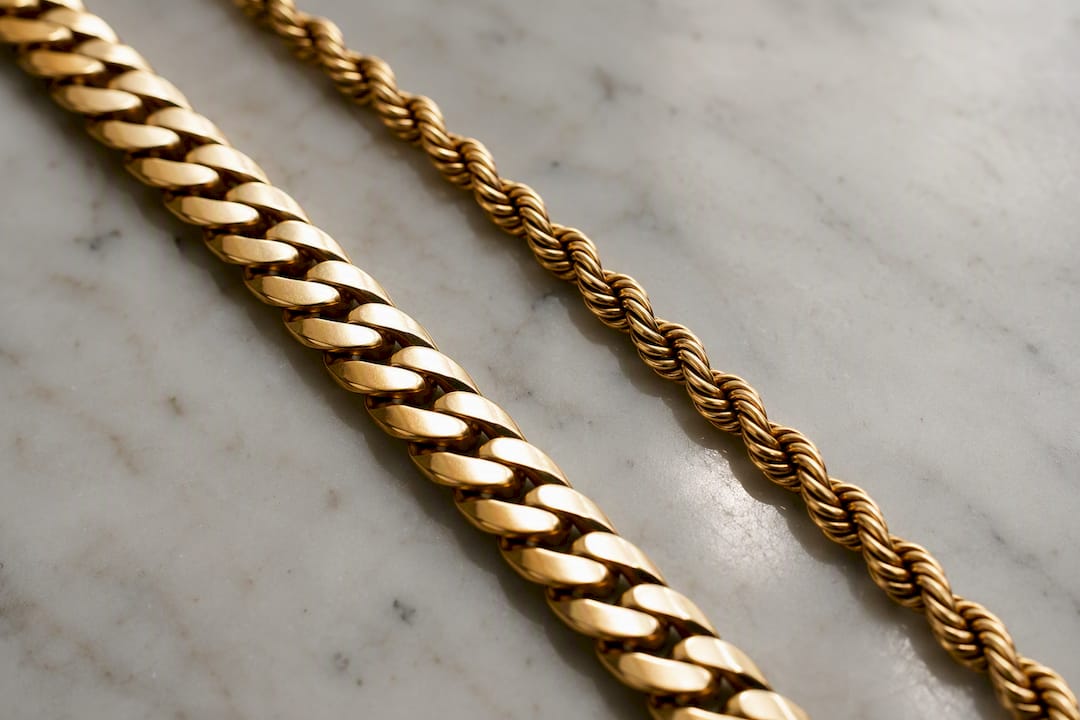
Franco chains use a tight square-braid pattern that resists kinking better than most styles, a real advantage if you tend to sleep in your jewelry. Figaro and box chains are more delicate by design. Box chains especially are prone to kinking if yanked or snagged, and once a box link kinks, it rarely lays flat again.
Byzantine chains look intricate and photograph beautifully, but their many small connecting links mean more solder joints, and more joints mean more potential failure points over a decade of wear. Paperclip and Jax link styles, both trending in fashion jewelry, tend to have larger, flatter links that are easier to inspect for soldering quality but can flex more than tighter link patterns.
Link gauge and wall thickness matter more than style name alone. A thick-gauge Figaro can outlast a thin-gauge Cuban. For daily wear, prioritize thicker gauge and soldered (not just pinched) jump rings. For pendants, choose a chain rated to carry extra weight, since standard-weight chains stretch and distort under pendant load over time. Save the delicate Byzantine or fine rope styles for occasional wear, not gym bags and daily commutes.
How Do You Test if a Gold Chain Is Real?
Authenticity testing works best as a ladder: start cheap and non-invasive, escalate only when results are ambiguous or the stakes are high.
Start with the hallmark and seller documentation. A crisp, correctly formatted stamp paired with a gram weight on the receipt clears most legitimate pieces immediately. The FTC’s jewelry guidance treats this pairing, not the stamp alone, as the baseline standard.
Move to the magnet test next, understanding its limits. Gold and its common alloy metals aren’t magnetic, so a strong pull is a red flag. But this test has a well-known blind spot: clasps sometimes contain small steel springs that react to a magnet even on a genuine gold chain, so test the chain body, not the clasp mechanism.
Weight and measurement comparison comes third. Compare the documented gram weight against known weight-per-inch norms for that karat and style. This is where modern counterfeiting gets clever. A visual inspection guide from VRXRF notes that some counterfeiters use tungsten cores, which closely match gold’s density, specifically to defeat simple heft and weight tests.
Acid testing comes with real caveats. It’s destructive to a small area of the piece, requires the right acid strength for the claimed karat, and can give false readings on thickly plated fakes since only the surface layer reacts. Most reputable buyers stop short of acid testing on a piece they might return.
XRF testing and lab analysis are the definitive answer. GIA supports laboratory methods like X-ray fluorescence specifically because they read the actual alloy composition rather than surface characteristics, and they can’t be fooled by plating thickness or core substitution the way visual and magnet tests can.
Pro Tip: If a deal seems unusually good for the weight and karat claimed, that’s exactly when you should request XRF verification before finalizing payment, not after. Reputable sellers won’t hesitate.
What Wears Out First on a Gold Chain?
Even well-made chains have predictable failure points, and understanding them helps you judge how long a piece will realistically last.
Clasps fail most often. Spring mechanisms fatigue after thousands of open-close cycles, and a cheaply made clasp can wear out within a year or two of daily use. Jump rings are the second common failure point, especially when they’re pinched shut rather than fully soldered. An unsoldered jump ring can work itself open under repeated tension, which is how many “lost” chains actually separate. Solder joints throughout the chain body are the third concern. Poor solder work leaves microscopic gaps that widen with wear, eventually snapping under normal stress.
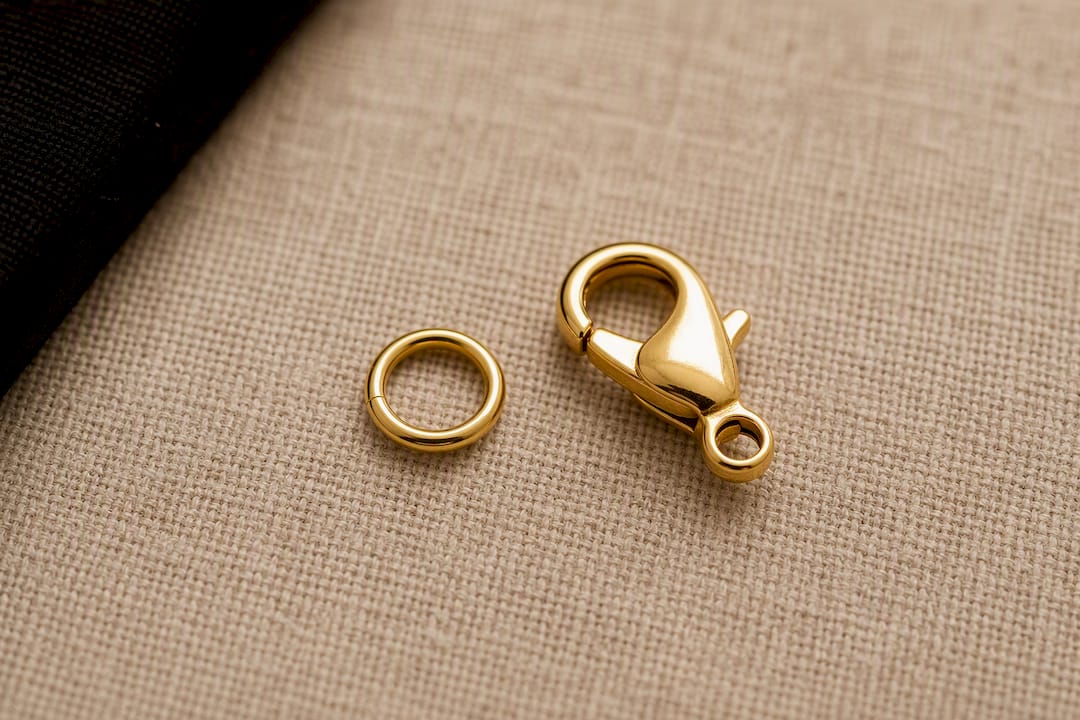
Quality construction addresses all three preemptively. Fully soldered jump rings, robust clasp mechanisms rated for the chain’s weight, and clean, gap-free solder joints throughout the link pattern all reduce how often you’ll need a jeweler’s help.
Expect the repair timeline to track the construction quality closely. A well-built solid gold chain worn daily might need a single clasp replacement or solder touch-up over ten years. A poorly soldered, thin-gauge chain in the same use pattern can need repairs annually, and each repair slightly weakens the metal at the repair point. If you’re already looking at your second clasp repair within eighteen months, that’s a signal about the original workmanship, not bad luck.
How Craftsmanship Changes What a Chain Is Worth
Two chains of identical karat and gram weight can sell for noticeably different prices, and the gap almost always comes down to workmanship and documentation. A retailer guide on quality assessment recommends collecting five specific data points before purchase: karat mark, construction type, exact gram weight, clasp type and security, and the seller’s return or repair policy. Each one functions as a value signal, not just a quality signal.
Clear hallmarks and a documented gram weight let a buyer verify intrinsic metal value using gold’s current market pricing, which is the foundation of resale price. A chain with a lab report or XRF verification on file commands more buyer confidence than an identical piece sold with nothing but a seller’s word, because the paperwork removes the guesswork for the next buyer too.
Workmanship defects work in the opposite direction. Poor soldering, a mismatched or ill-fitting clasp, and inconsistent polish across links all signal shortcuts in production, and appraisers routinely price those pieces below equivalent-karat chains in good condition. Before you buy, request these trust signals in writing:
- Original receipt with gram weight and karat listed.
- Any lab or XRF testing documentation, if performed.
- Return window length and conditions.
- Written warranty or lifetime craftsmanship guarantee terms.
When Should You Pay for a Professional Appraisal?
Most everyday purchases don’t need a paid appraisal, but certain situations justify the cost without hesitation. Escalate when you’re buying a high-value piece, when you suspect a tungsten or base-metal core hiding under plating, when you’ve inherited an antique piece with a worn or missing hallmark, or when you need documentation for insurance or estate purposes.
Before hiring an appraiser, ask these questions:
- What testing method do you use, XRF, fire assay, or both?
- Are you certified, and through which organization?
- Will I receive a written report with specific findings?
- How is the piece handled and secured during testing?
- What is the turnaround time and cost?
The American Gem Society recommends working only with certified appraisers for high-value pieces, and Jewelers of America publishes ethical standards reputable appraisers follow, including full documentation of testing methods used. A paid appraisal should always leave you with a written report, not just a verbal opinion, so you have something to show an insurer or a future buyer.
How Baker Gold Chains Inspects Every Piece
Every chain that reaches a Baker Gold Chains listing goes through the same sequence: photo review for link uniformity and finish consistency, hallmark legibility check, clasp tension test, a link-by-link visual pass for solder seam quality, and gram weight verification against the documented specification. Pieces that don’t pass one of those checkpoints get flagged for closer review or excluded from listing entirely.
A chain doesn’t earn a listing just because the karat stamp is there. The gram weight has to match what the style should weigh, the clasp has to hold under real tension, and every link has to look like its neighbor under magnification. When something doesn’t line up, it goes to further testing before it goes anywhere near a customer.
Documented karat, verified gram weight, and vetted U.S. suppliers back every piece, with lab-grade escalation reserved for anything that raises a question during the initial pass.
Preserving Craftsmanship After You Buy
Good workmanship only lasts if you treat it right. Remove chains before showers, pools, or contact with cleaning chemicals, since chlorine and harsh detergents accelerate wear at solder joints and clasp springs. Store chains flat or hung individually to prevent knotting, which stresses links at bend points every time you untangle them.

Build a simple maintenance rhythm: check clasp tension every few months, get a professional cleaning once or twice a year, and stop wearing any chain that shows a visibly stretched or misshapen link immediately rather than waiting for it to snap. Before a long trip or gifting a piece, do a thirty-second check: open and close the clasp a few times, run your fingers along the full length to catch onto any snag point, and confirm the hallmark is still legible.
Pro Tip: Avoid hanging pendants heavier than the chain’s rated capacity. A delicate box or Figaro chain wasn’t built to carry a large statement pendant, and the strain will show up as stretched links within months.
A Practical Note From Blayne
The shortcuts show up in the same places every time: unsoldered jump rings passed off as finished work, hollow construction sold without disclosure, and clasps that look fine in a photo but wobble the moment you test them by hand. None of that means you need to distrust every chain you look at. It means you weigh the style you love against how it’s actually built, and you ask for the gram weight in writing before you decide anything.
Ready to Shop With Confidence?
Everything covered here, hallmark verification, gram weight documentation, solder quality, clasp integrity, works exactly the way you’d expect at Baker Gold Chains. Every listing carries documented karat and gram weight upfront, so you’re never guessing whether a “solid” chain is actually hollow underneath.
Each piece, like the 14K yellow gold graduated bead necklace, ships with clear metal certification and backs a lifetime craftsmanship guarantee, so repair and warranty terms are settled before you ever need them. If you’re weighing chain styles against daily wear, the gold chain buying guide walks through matching construction to lifestyle in more detail. Browse the current collection and check the documented gram weight on any piece that catches your eye before you decide.
Frequently Asked Questions
What is the fastest way to start evaluating gold chain craftsmanship on a piece I’m considering? Check the hallmark first for clarity and correct formatting, then ask the seller for documented gram weight. Those two data points alone rule out most poorly made or misrepresented chains within minutes.
Does a higher karat always mean better craftsmanship? No. Karat measures purity, not construction quality. An 18K chain with unsoldered jump rings and a weak clasp is worse craftsmanship than a well-built 14K chain, even though the 18K has higher gold content.
Can I judge gold chain quality just by how heavy it feels? Not reliably. Hollow construction and tungsten-core counterfeits can both mimic the expected weight of a solid chain, which is why documented gram weight compared against style norms matters more than a heft test alone.
When is a magnet test enough, and when do I need XRF testing? A magnet test is a quick first screen, useful for ruling out obvious base-metal fakes, but it can be defeated by magnetic clasp springs and can’t detect tungsten cores. Reserve XRF or lab testing for high-value pieces or when magnet and weight checks give ambiguous results.
What documentation should a reputable seller provide with a gold chain purchase? Expect a receipt listing karat and exact gram weight, a clear return or repair window, and ideally a written warranty or lifetime craftsmanship guarantee. Missing documentation is itself a craftsmanship and trust warning sign.
Sources
Recommended
- How to Tell if a Gold Chain Is Real | Real vs Fake Gold Guide – Baker Gold Chains
- How to spot fake gold chains: your authenticity guide – Baker Gold Chains
- How to Buy Gold Chains: Your Smart Buyer’s Guide – Baker Gold Chains
- Gold chain buying guide: Choose authentic, durable jewelry – Baker Gold Chains

