

Solid Gold vs Plated Guide: What Buyers Need to Know
Solid gold jewelry is made from a gold alloy throughout the entire piece, while gold plated jewelry is a base metal coated with a thin layer of gold. That single difference in composition drives every other contrast you will encounter in this solid gold vs plated guide, from how long a piece lasts to whether it holds resale value. Understanding both options before you buy protects your money and your skin. Terms like vermeil, gold filled, and karat stamp matter here, and this guide explains each one clearly.
What is solid gold jewelry?
Solid gold is not pure gold. It is a gold alloy, meaning gold is mixed with other metals like copper, silver, or zinc to add strength. The karat system tells you how much of the alloy is actual gold. 24K is pure gold, but it is too soft for most jewelry. 14K and 18K are the most practical choices for everyday wear.
14K solid gold contains 58.3% pure gold. A 10-gram 14K chain holds about 5.8 grams of pure gold, which carries real scrap and resale value tied to the gold market. 18K gold contains 75% pure gold, making it richer in color but slightly softer than 14K. Both karats resist tarnish because the gold content is consistent from the surface all the way through.
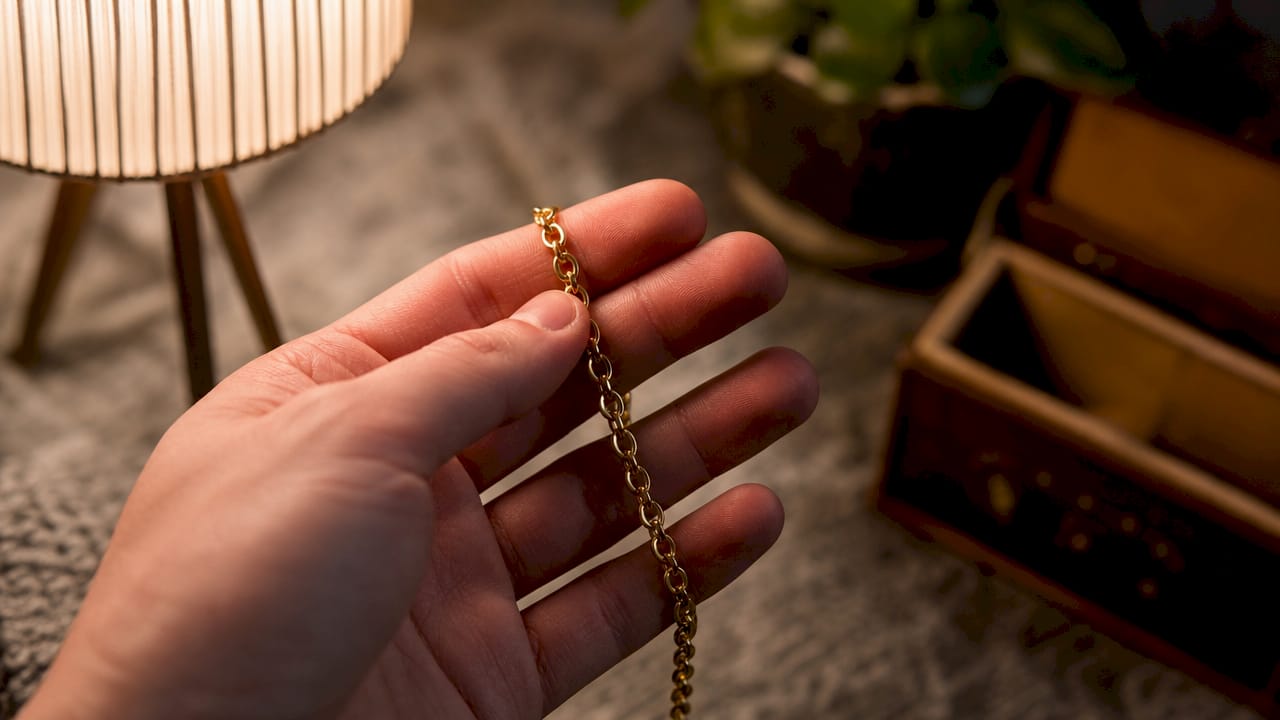
Solid gold is also hypoallergenic for most wearers. Because there is no base metal exposed to your skin, you avoid the green marks and irritation that plated jewelry can cause. This makes 14K and 18K pieces the right choice for daily wear, especially for people with sensitive skin.
Popular solid gold styles include rope chains, Franco chains, Cuban links, and hoop earrings. These styles hold up to daily friction because the gold alloy runs throughout the metal, not just on the surface.
- 14K gold: 58.3% gold, strong, affordable, ideal for everyday pieces
- 18K gold: 75% gold, richer color, slightly softer, great for fine jewelry
- 10K gold: 41.7% gold, most durable, lowest gold content, budget-friendly
- Karat stamp: Look for markings like 14K, 585, 18K, or 750 stamped inside rings or on clasps
Pro Tip: When shopping for solid gold chains online, check for the karat stamp in the product photos or description. Reputable sellers like Bakergoldchains list the exact karat and gold content for every piece.
What is gold plated jewelry?
Gold plated jewelry starts with a base metal, typically brass, copper, or stainless steel, and adds a thin gold layer through a process called electroplating. The base metal is submerged in a gold solution and an electric current bonds the gold to the surface. The result looks like gold but contains very little of it.
Standard gold plating is 0.5 to 2.5 microns thick. To put that in perspective, that thickness is roughly 1/140th the thickness of a human hair. At that thinness, daily wear wears through the plating in 3 to 6 months. Thicker plating can last up to 3 years with careful use, but it still eventually fades.
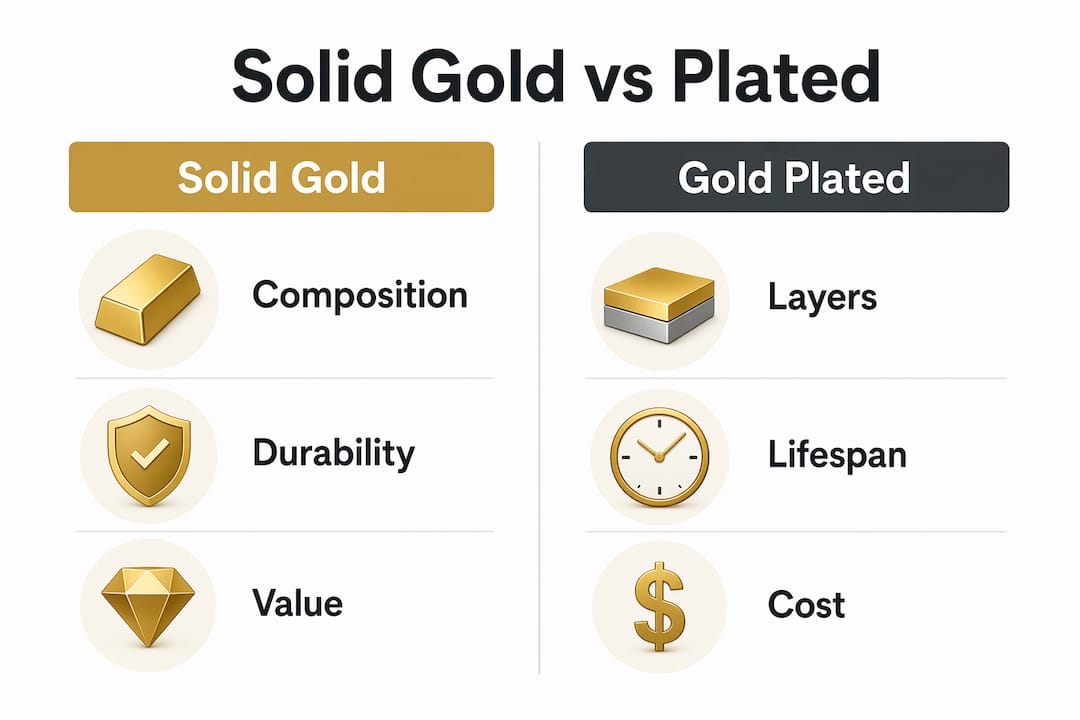
Three tiers of gold plating exist, and knowing the difference helps you shop smarter:
| Type | Base Metal | Gold Thickness | Typical Lifespan |
|---|---|---|---|
| Standard plating | Brass or copper | 0.5–2.5 microns | 3–6 months with daily wear |
| Gold vermeil | Sterling silver | Minimum 2.5 microns | 1–3 years with proper care |
| Gold filled | Brass core | At least 5% gold by weight | 10–30 years |
Gold vermeil requires a minimum 2.5 micron gold layer over sterling silver. It is more durable and more valuable than standard plating, but it still wears down over time. Gold filled jewelry contains at least 5% gold by weight, mechanically bonded to a brass core. It typically lasts 10 to 30 years and is often confused with solid gold, but it is not the same thing.
Skin sensitivity is a real concern with plated pieces. Base metals like nickel and copper oxidize against your skin, causing green discoloration or allergic reactions. If you have reacted to jewelry before, the base metal under the plating is almost always the cause.
- Avoid wearing plated jewelry in water, pools, or while exercising
- Perfume and lotions accelerate plating wear
- Vermeil is the best plated option for sensitive skin since the base is sterling silver
Pro Tip: If you want the look of gold without the full cost of solid gold, gold vermeil over sterling silver is the most skin-friendly and durable plated option. Check out this 18k plated chain necklace as an example of what a quality plated piece looks like.
How to tell the difference between solid gold and plated jewelry
Telling solid gold apart from plated jewelry does not require a lab. Several practical tests give you reliable answers at home or at a jeweler.
Visual inspection is the first step. Check high-friction areas like ring bands, clasps, and chain links. Plated jewelry shows a different color underneath where the gold has worn away, often revealing brass yellow or copper red. Solid gold shows consistent color throughout, even when scratched.
Weight and feel also differ. Solid gold is denser than most base metals used in plated jewelry. A solid gold chain feels noticeably heavier than a plated chain of the same size. This is not a definitive test on its own, but it is a useful first signal.
Hallmarks and karat stamps are the most reliable non-destructive method. Look for stamps like 14K, 18K, 585, or 750 inside ring bands or on clasps. Plated pieces are often stamped GP (gold plated), GF (gold filled), or GEP (gold electroplated). Learning to read these marks is covered in detail in this buyer’s practical guide from Bakergoldchains.
The magnet test is useful but not conclusive. Solid gold is non-magnetic. If a magnet strongly attracts your jewelry, the base metal is magnetic and the piece is definitely not solid gold. However, a non-magnetic result does not confirm solid gold, because some base metals used in plating are also non-magnetic. Always combine the magnet test with other methods.
Professional testing removes all doubt. Electronic testers and acid tests are the most reliable options. Many jewelers offer this service free or at low cost. If you are buying a high-value piece or selling jewelry, professional verification is worth the time.
Cost, durability, and value: which option offers the best investment?
Solid gold costs more upfront. A 14K solid gold chain costs significantly more than a plated version of the same style. That price gap is real, but it does not tell the full story.
Cost-per-wear is the more honest comparison. Plated pieces often need replacement every 6 to 12 months with daily wear. Over two years, you may replace a plated chain three or four times. The total cost of those replacements can exceed the price of one solid gold piece that lasts decades.
Solid gold also holds intrinsic value. Buyers and refiners pay for the gold content in solid pieces based on the current gold market price. Plated jewelry has no meaningful scrap value. Most refiners reject plated pieces because the cost of recovering the thin gold layer exceeds what the gold is worth.
Here is how to think about the decision:
- Daily wear pieces: Solid gold wins. The durability and skin safety justify the cost over time.
- Trend-driven or seasonal jewelry: Plated jewelry makes sense. You are not expecting it to last 20 years.
- Gift purchases: Solid gold communicates lasting value. A plated piece risks disappointing the recipient when it fades.
- Investment or heirloom pieces: Only solid gold qualifies. Plated jewelry has no resale or melt value.
Solid gold’s higher upfront cost is offset by decades of wear, zero replacement costs, and real resale value. Plated jewelry is a short-term solution, not a long-term asset.
Ethical sourcing is also worth considering. Bakergoldchains sources from reputable U.S. suppliers and provides transparency about gold content and craftsmanship. When you buy solid gold from a verified retailer, you know exactly what you are getting.
Caring for solid gold vs plated jewelry
Solid gold and plated jewelry both need care, but the stakes are different. Neglecting a solid gold piece dulls its finish. Neglecting a plated piece destroys it.
For solid gold, clean with warm water, a drop of mild dish soap, and a soft cloth. Avoid abrasive cleaners or ultrasonic cleaners for pieces with gemstones. Store solid gold pieces separately to prevent scratching, since gold is a relatively soft metal even in alloy form.
For plated jewelry, the rules are stricter:
- Remove before swimming, showering, or exercising
- Apply perfume and lotion before putting on jewelry, not after
- Store in a dry, airtight bag or box to slow oxidation
- Clean only with a dry soft cloth, never with liquid cleaners
Replating is an option when a plated piece loses its finish, but it is often more expensive and harder to arrange than simply replacing the piece. Frequent replating also does not fully restore the original quality. For pieces you wear every day, this maintenance cycle adds up fast.
Pro Tip: The single biggest mistake people make with plated jewelry is wearing it in water. Even a few minutes in the shower accelerates plating wear dramatically. Take it off before you wash your hands.
Key takeaways
Solid gold is the only option that delivers lasting durability, real resale value, and skin safety for everyday wear. Plated jewelry serves a purpose for trend pieces, but it is not a substitute for solid gold when longevity matters.
| Point | Details |
|---|---|
| Composition defines everything | Solid gold is a gold alloy throughout; plated jewelry is a base metal with a thin gold surface layer. |
| Plating wears fast | Standard plating lasts 3–6 months with daily wear; solid gold lasts a lifetime with basic care. |
| Cost-per-wear favors solid gold | Replacing plated pieces every 6–12 months costs more over time than one solid gold purchase. |
| Solid gold holds real value | Refiners and buyers pay for solid gold’s melt value; plated jewelry has no meaningful scrap value. |
| Testing confirms what you have | Combine visual inspection, hallmark reading, and professional testing to verify gold content accurately. |
Why I always recommend solid gold for pieces you actually wear
I have looked at a lot of jewelry over the years, and the question I get most often is some version of “is it worth paying more for solid gold?” My honest answer is: it depends entirely on how you plan to wear it.
If you are buying a necklace to wear twice a year to events, a quality gold vermeil piece over sterling silver is a perfectly reasonable choice. You get the look, the cost is low, and the wear is minimal. That math works.
But if you are buying something you plan to wear every day, the calculus flips completely. I have seen people go through three or four plated chains in two years, spending more in total than a solid 14K piece would have cost from the start. The frustration of watching a piece fade or leave green marks on your skin is real, and it is entirely avoidable.
What I find most buyers underestimate is the skin sensitivity issue. Plated jewelry’s base metals, especially nickel and copper, cause reactions in a significant number of people. Many buyers assume they have a “gold allergy” when they actually have a reaction to the base metal underneath. Switching to 14K solid gold resolves it immediately.
My practical advice: treat solid gold as the default for chains, rings, and earrings you wear regularly. Use plated pieces for trend items you know you will rotate out. And always check the karat stamp before you buy. A piece without a clear hallmark is a piece you cannot verify.
For anyone serious about building a jewelry collection that holds its value and looks good for decades, the daily wearability of solid gold is simply unmatched by any plated alternative.
— Blayne
Solid gold jewelry worth wearing every day at Bakergoldchains
Bakergoldchains carries a curated selection of 10K, 14K, and 18K solid gold pieces sourced from reputable U.S. suppliers. Every piece comes with a lifetime craftsmanship guarantee and free insured shipping on orders over $150.
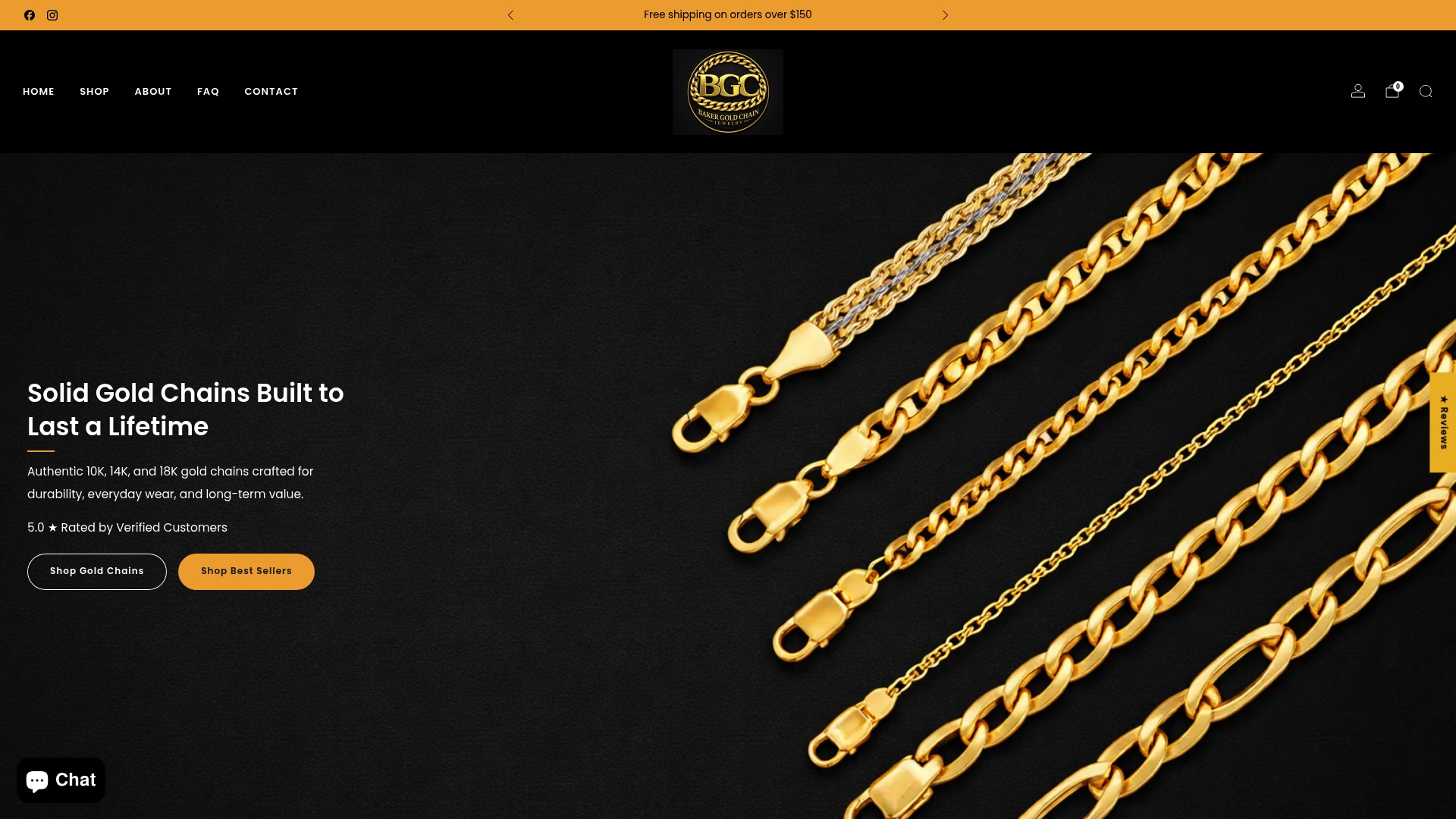
If you are ready to invest in jewelry that lasts, the 14K yellow gold graduated bead necklace is a strong starting point. It is a classic, wearable piece in solid 14K gold with real intrinsic value. For earrings, the small 14K wedding hoops offer everyday elegance without compromise. Bakergoldchains also offers flexible financing, so the upfront cost of solid gold does not have to be a barrier.
FAQ
What is the main difference between solid gold and gold plated?
Solid gold is a gold alloy throughout the entire piece, while gold plated jewelry is a base metal coated with a thin gold layer. The difference in composition determines durability, value, and skin safety.
How long does gold plated jewelry last?
Standard gold plating lasts 3 to 6 months with daily wear. Thicker plating or vermeil can last 1 to 3 years with careful use, avoiding water and chemicals.
Is solid gold worth the higher price?
Solid gold costs more upfront but lasts decades, holds resale value, and does not require replacement. Plated pieces replaced every 6 to 12 months often cost more over time.
Can gold plated jewelry cause skin reactions?
Yes. Base metals like nickel and copper under the plating oxidize against skin, causing green marks or allergic reactions. Solid gold is hypoallergenic and does not expose your skin to reactive metals.
How do I verify if a piece is solid gold?
Check for karat stamps like 14K, 18K, or 585 on clasps or ring bands. Combine visual inspection at wear points with a magnet test, and confirm with a professional acid or electronic test for certainty.
Recommended
- Gold chain vs gold plated: How to choose quality jewelry – Baker Gold Chains
- How to Tell Real Gold: A Buyer’s Practical Guide – Baker Gold Chains
- The Role of Gold in Fine Jewelry: A 2026 Buyer’s Guide – Baker Gold Chains
- Solid gold jewelry: what it really means and why it matters – Baker Gold Chains

