

What a Lifetime Jewelry Warranty Really Covers
A lifetime jewelry warranty typically promises free repair or replacement for manufacturing defects like broken solder joints, faulty clasps, or casting flaws for as long as you own the piece. It usually does not cover normal wear, loss, or theft. That distinction is the single most important thing to understand before you rely on one.
Once you know that, the next step is simple:
- Keep your receipt and order number somewhere safe
- Register the piece with the retailer if registration is offered
- Photograph the item when it arrives, before you wear it
Key Takeaways
A lifetime jewelry warranty protects against manufacturing defects for life, but wear, loss, and theft almost always require separate coverage.
| Point | Details |
|---|---|
| Defects, not damage | Casting flaws, broken solder, and faulty clasps are covered; daily wear is not. |
| Documentation is everything | Save your order number, receipt, and arrival photos before you ever need them. |
| Fine print hides the gaps | Mandatory inspections and unauthorized repairs are common ways coverage gets voided. |
| Pair coverage when needed | Add a protection plan or insurance for loss, theft, or heavy daily wear. |
| Bakergoldchains covers defects for life | Its lifetime craftsmanship guarantee covers manufacturing defects, backed by free insured shipping over $150. |
Table of Contents
- What Does a Lifetime Jewelry Warranty Cover?
- Common Exclusions and Fine Print to Watch For
- How to Register and File a Warranty Claim
- Warranty, Protection Plan, or Insurance: What Do You Actually Need?
- Baker Gold Chains’ Lifetime Craftsmanship Guarantee
- Keeping Your Warranty Valid: Care and Red Flags
- Before You Buy: A Quick Checklist
- Why the Fine Print Matters More Than the Word “Lifetime”
- A Guarantee Built Into Every Piece You Buy
- Sources
What Does a Lifetime Jewelry Warranty Cover?
A genuine lifetime jewelry warranty protects against problems built into the piece from the start, not damage caused by daily life. Here’s what that means in practice:
- Manufacturing and structural defects. Casting porosity (tiny air pockets weakening metal), broken solder joints, and settings that were never secured properly all fall under this umbrella. If a clasp fails within months because it was soldered wrong, that’s a defect. If it fails after five years of daily wear and tear, that’s a different conversation.
- Complimentary services tied to the defect. Many retailers include prong tightening, minor repairs, and chain re-soldering at no cost when the issue traces back to manufacturing. “Replacement” is worth defining carefully, since some brands replace with an identical piece and others issue store credit toward a comparable item.
- Proof requirements. Expect to provide your original order number, dated photos showing the defect, and sometimes the receipt itself. La Joya Jewelry’s breakdown of lifetime warranty coverage notes that a well-written policy separates defect coverage from wear clearly, which is exactly what you want to see before you buy.
A box chain with a soldered clasp is a good example of the kind of construction a warranty like this is meant to protect.
Common Exclusions and Fine Print to Watch For
Retailers write warranties carefully, and the careful part is usually where coverage narrows. “Manufacturing defect” and “normal wear and tear” sound similar but mean very different things. A cracked prong from a factory flaw is a defect. A thinned-out chain link after eight years of daily wear is not, no matter how disappointing it feels.
Loss and theft sit outside almost every jewelry warranty, full stop. If you drop an earring at the beach or your bracelet is stolen, no manufacturer warranty replaces it. That gap is exactly why standalone insurance or a protection plan exists.
Watch for these voiding clauses:
- Mandatory inspections you forgot were required
- Repairs done by a jeweler other than the original seller
- Deposits or evaluation fees charged just to assess a claim
Customer reviews on sites like Trustpilot regularly surface complaints about denied claims tied to fine print nobody read at checkout.
Pro Tip: Photograph your jewelry the day it arrives, including the clasp and any stone settings. If a defect shows up later, dated photos make your claim far easier to prove.
How to Register and File a Warranty Claim
Filing a claim is mostly a paperwork exercise, and being organized upfront saves weeks later.
- Register the piece. Some retailers ask you to create an account and log your order number at checkout; others activate coverage automatically. If the piece was a gift, ask the giver for the order number since you’ll likely need it.
- Save documentation before you ever ship anything. Photos of the defect, your receipt, and the original packaging all matter. Many retailers use a standard return or claim form to process these requests.
- Expect a timeline. Repairs typically take longer than replacements, and if a claim is denied, ask for the specific reason in writing before escalating.
Warranty, Protection Plan, or Insurance: What Do You Actually Need?
A manufacturing warranty is free but narrow. A protection plan or insurance policy costs money but covers what the warranty leaves out.
- Protection plans are usually sold at checkout for a flat fee or a percentage of item price, and they often extend coverage to accidental damage, sometimes loss, over a set term (commonly one to three years).
- Standalone jewelry insurance, the kind offered through specialty insurers, tends to cover loss, theft, and mysterious disappearance, the categories every warranty excludes.
- Financing providers, similar to those referenced by Synchrony, are often presented at checkout alongside protection plan offers, which is part of why so many buyers add one without fully comparing what it covers.
If you’re buying an everyday chain you’ll wear constantly, a protection plan or insurance policy fills a real gap. If it’s a piece that lives in a safe and comes out twice a year, the manufacturer’s warranty alone may be enough.
Baker Gold Chains’ Lifetime Craftsmanship Guarantee
Every piece sold by Bakergoldchains comes with a lifetime craftsmanship guarantee, meaning manufacturing defects, not wear from daily use, are covered for as long as you own the item. That’s the same baseline standard described earlier in this article: defects in casting, soldering, or settings are what the guarantee addresses.
A few things worth knowing:
- Orders qualifying for free insured shipping are available, which matters if you’re shipping a piece back for evaluation
- Financing options are available at checkout for larger purchases
- Full terms, along with returns and care guidance, are detailed on the guarantee and rights page
| Point | Details |
|---|---|
| Coverage scope | Manufacturing defects (casting, soldering, settings) are covered for life; wear is not. |
| Documentation | Order number and receipt are the two records to keep on file. |
| Shipping | Orders over $150 include free insured shipping, useful for claim shipments. |
Keeping Your Warranty Valid: Care and Red Flags
Coverage stays active as long as you treat the piece the way the terms expect. That starts with basic habits: wipe gold jewelry with a soft cloth after wearing it, avoid chlorine and household cleaners, and store pieces separately so clasps don’t tangle and stress against each other.
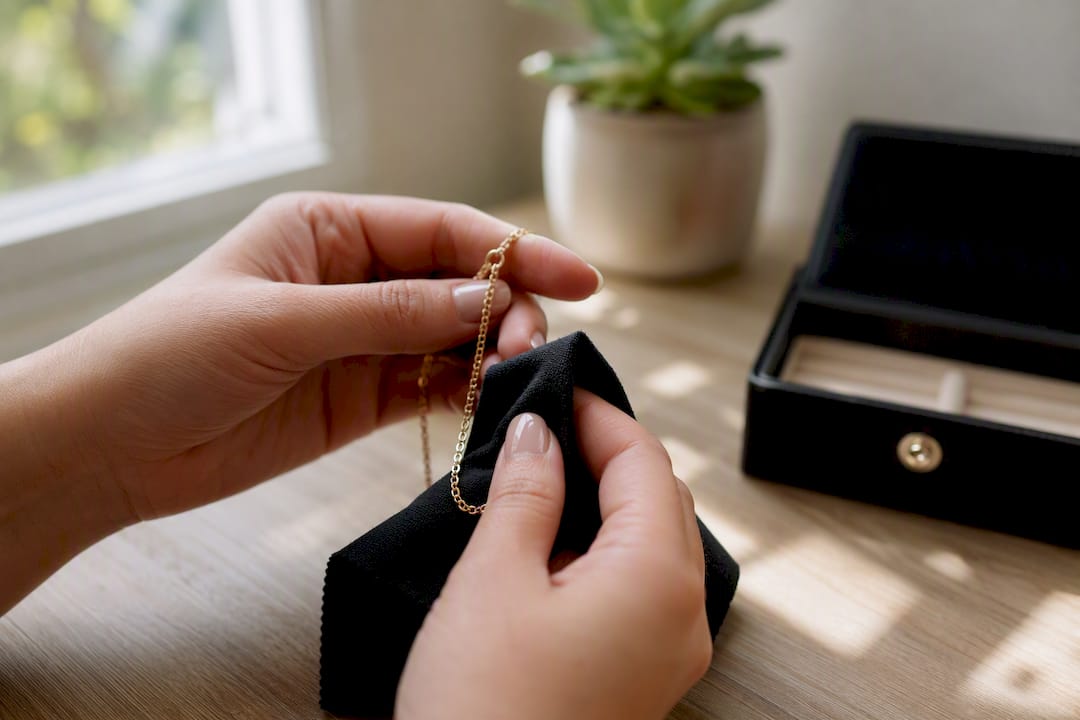
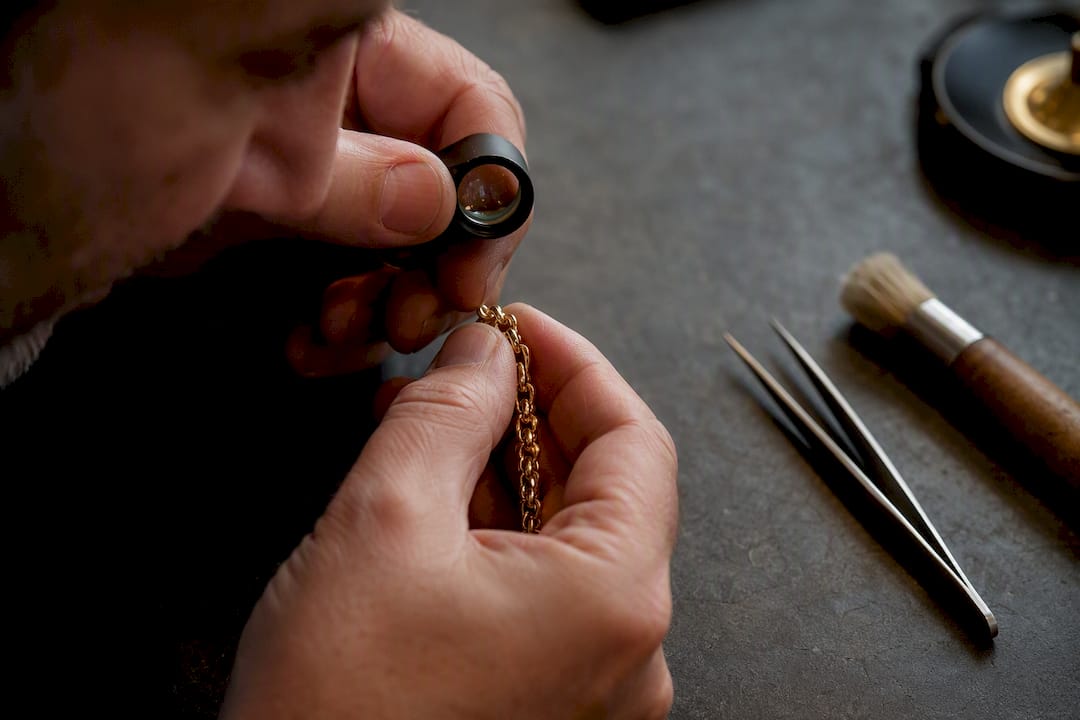
Ask for a professional inspection roughly once a year, sooner if you wear a piece daily. A jeweler can spot a loosening prong before it becomes a lost stone.
What voids coverage almost everywhere: unauthorized repairs from a third-party jeweler, and alterations like resizing or resoldering done outside the original retailer. A $20 tightening at a mall kiosk can cost you a warranty worth far more if something later needs a full repair.
Pro Tip: Before any third party touches your jewelry, check whether that repair falls inside or outside your warranty terms. A quick email to the retailer costs nothing; an outside repair can void coverage permanently. For more on daily upkeep, see why fine jewelry care matters.
Before You Buy: A Quick Checklist
Ask these questions at checkout, not after something breaks:
- What specifically counts as a covered defect versus wear?
- Do I need to register the piece, and how?
- Does loss or theft require a separate plan?
- Are inspections required to keep coverage active?
- Are there fees to file or evaluate a claim?
If daily wear and higher value are both in play, pair a manufacturer’s warranty with a protection plan or insurance. For manufacturing-defect protection alone, Bakergoldchains’ lifetime craftsmanship guarantee is a solid, well-documented option worth comparing against.
Why the Fine Print Matters More Than the Word “Lifetime”
The word “lifetime” does a lot of marketing work it hasn’t earned. Plenty of buyers see it on a product page and assume total protection, then find out the hard way that a lost earring or a stretched chain link isn’t covered. The research on this is consistent: a lifetime warranty is a defect guarantee, not an insurance policy, and the retailers who write that distinction plainly into their terms are the ones worth trusting.
What gets underestimated is how much the registration step matters. It’s the least exciting part of buying jewelry, and it’s also the part that determines whether a claim gets approved in ten minutes or gets stuck in a dispute for weeks. If you take one thing from this article, take that: save the receipt, log the order number, and photograph the piece before you wear it.
The conventional advice to “just read the warranty” isn’t wrong, it’s just incomplete. Reading it matters less than knowing which three clauses to look for: what counts as a defect, what voids coverage, and whether loss is covered anywhere. Those three answers tell you almost everything else you need to know.
— Blayne
A Guarantee Built Into Every Piece You Buy
Bakergoldchains backs every gold chain and fine jewelry piece with a lifetime craftsmanship guarantee that covers manufacturing defects for as long as you own it, no separate plan required at checkout. That’s a meaningful difference from retailers who bury defect coverage inside a paid protection plan you have to opt into and pay for separately.
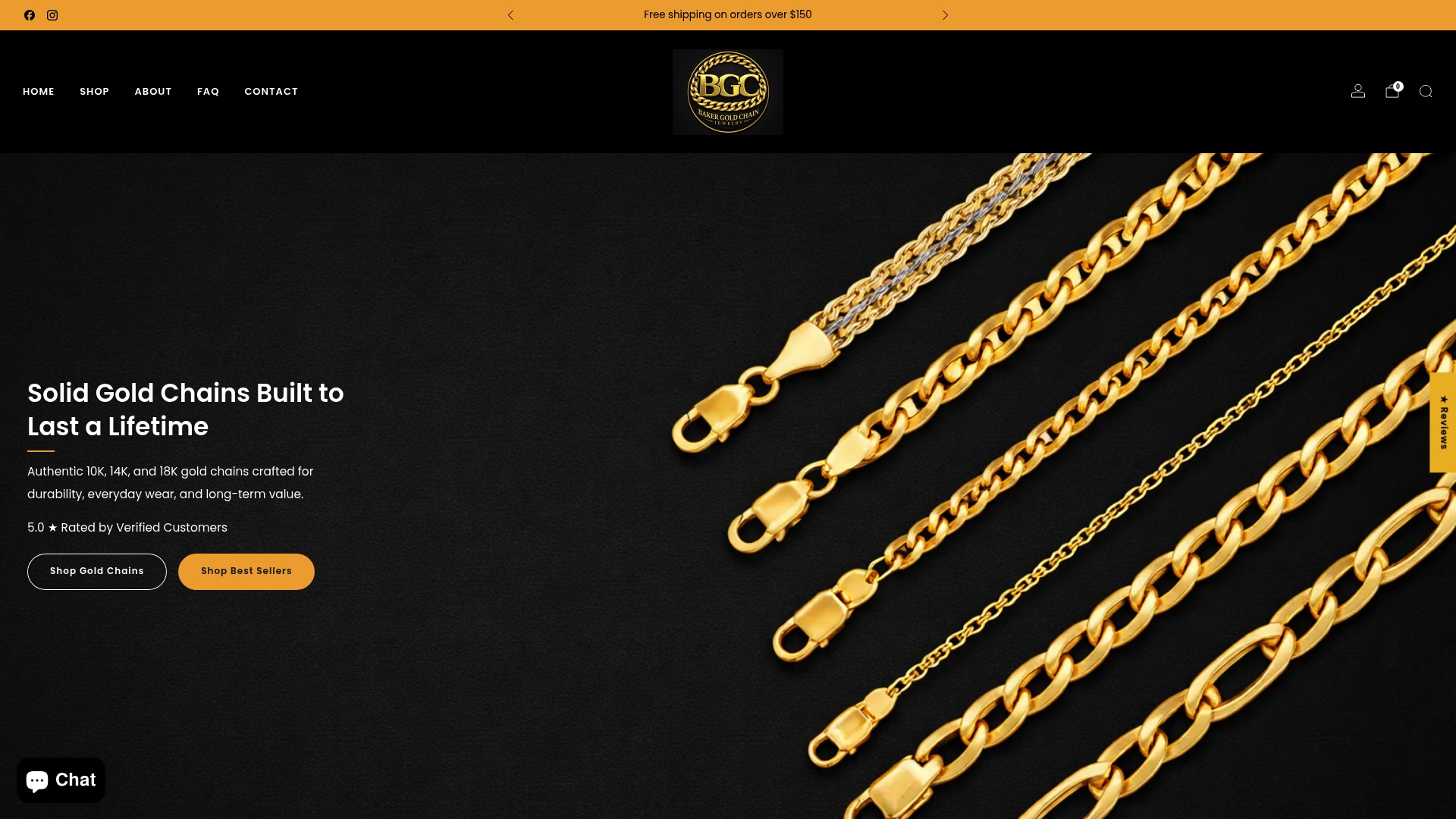
If you’re shopping for a piece you’ll wear daily, like a graduated bead necklace in 14K yellow gold or a necklace featuring a gold and diamond love symbol, the craftsmanship guarantee travels with it automatically. Orders over $150 also include free insured shipping, and financing is available if you’d rather spread out the cost. Browse the current collection and check the guarantee terms on any product page before you check out.
Sources
- What Does a Jewelry Lifetime Warranty Actually Cover? — La Joya Jewelry
- Trustpilot — example of review evidence of warranty disputes
- MySynchrony (financial services reference)

