

Jewelry Insurance Cost: What You'll Pay in 2026
Standalone jewelry insurance typically runs about 1% to 2% of your item’s value per year, with some specialty insurers pricing as low as 0.5% to 1.5% for certain policies. That means insuring items of moderate to high value can cost varying amounts annually depending on the carrier and your deductible.
Here’s why this matters more than most owners realize:
- Homeowners and renters policies often cap theft coverage for jewelry at around $1,500, regardless of what your ring is actually worth.
- That sublimit doesn’t budge whether your stolen piece was worth $2,000 or $20,000.
- Standalone coverage or a rider closes that gap for a modest annual premium.
Quick math: at 1% per year, a $10,000 piece costs about $8.33 a month to insure. That’s less than most people spend on coffee, for coverage that could save you tens of thousands if the piece is lost, stolen, or damaged.
Key Takeaways
Jewelry insurance costs roughly 1% to 2% of an item’s value annually, and pairing the right coverage type with solid documentation determines whether a claim gets paid quickly or gets denied.
| Point | Details |
|---|---|
| Typical cost range | Expect to pay 1% to 2% of your item’s value per year, or 0.5% to 1.5% through some specialty insurers. |
| Home policies fall short | Standard homeowners and renters coverage often caps jewelry theft payouts around $1,500 total. |
| Choose coverage type deliberately | Riders suit one or two moderate pieces; standalone policies fit larger collections or high-value items. |
| Documentation drives claims | Receipts, photos, appraisals, and serial numbers speed up both underwriting and claim payouts. |
| Bakergoldchains supports the paperwork trail | Insured shipping and a lifetime craftsmanship guarantee give buyers documentation to pair with any future policy. |
Table of Contents
- How Jewelry Insurance Cost Is Calculated
- Homeowners Riders vs. Standalone Jewelry Policies
- What Actually Moves Your Premium Up or Down
- Getting Insured: A Practical Checklist
- Documentation Habits That Make Insuring Easier
- Weighing Sentiment Against a Sublimit
- Documenting Your Purchase the Right Way
- Sources
How Jewelry Insurance Cost Is Calculated
Insurers price jewelry coverage as a percentage of your item’s appraised or purchase value, then adjust that base rate up or down based on a handful of specific factors. The percentage itself usually falls between 0.5% and 2% annually, but where you land inside that band depends on the carrier, the item, and where you live.
NerdWallet’s analysis of jewelry insurance pricing confirms the 1% to 2% range as the general market standard, while specialty jewelry insurers frequently undercut that. BriteCo, for example, publishes examples showing monthly costs as low as $4 to $12 for a $10,000 item, which works out closer to the 0.5% to 1.5% band. That’s the gap between a generalist insurer bundling jewelry into a broader policy and a carrier that specializes only in valuables.
Here’s how those percentages translate into real dollars across a few common item values:
Your deductible moves the needle too. A policy with a $0 deductible sits at the higher end of the pricing band because the insurer absorbs the full claim amount. Choose a $500 or $1,000 deductible instead, and you’ll often see your premium drop by 10% to 20%, though you’ll pay that deductible out of pocket if you ever file a claim. If a $200 ring gets damaged, a $500 deductible means you’re covering the whole repair yourself anyway, which is worth thinking through before you pick a deductible tier just to save a few dollars a month.
Three other variables shift your quote beyond the base percentage:
- ZIP code: Insurers like Progressive and other carriers price partly on local theft and burglary statistics, so two identical rings can carry different premiums in different cities.
- Claim history: A prior jewelry claim, whether through a standalone policy or a homeowners rider, can raise your renewal quote.
- Item type: Watches, especially luxury mechanical watches, often carry higher rates than rings or earrings of equal value because they’re smaller, easier to pawn, and more frequently targeted.
Pro Tip: Get quotes from at least three sources, one general carrier and two jewelry specialists, before you commit. The spread between quotes for the same item can be surprisingly wide, and specialty insurers sometimes beat general carriers by a meaningful margin on identical coverage.
Homeowners Riders vs. Standalone Jewelry Policies
You have three real paths to insuring a valuable piece, and each one fits a different kind of owner.
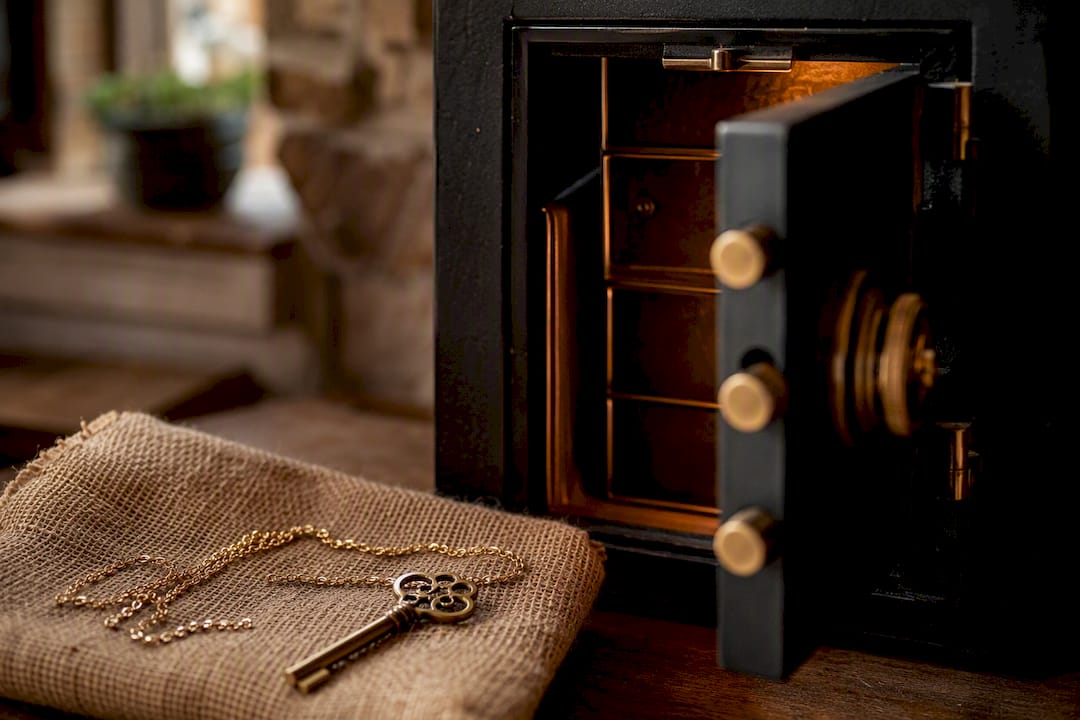
Standard homeowners or renters coverage is what you already have, and it’s almost never enough on its own. Most policies cap jewelry theft payouts around $1,500 total, which covers costume jewelry fine but leaves a $5,000 anniversary band mostly exposed. Damage from fire or a covered disaster may pay out differently than theft, so read your policy’s personal property section closely before assuming you’re covered.
Riders and floaters, sometimes called scheduled personal property endorsements, are add-ons to your existing homeowners or renters policy. The Insurance Information Institute explains that floaters extend coverage limits for specific valuable items, often with broader protection than the base policy offers. They’re convenient because you’re already working with your existing insurer and agent, and premiums are usually reasonable for single pieces. The tradeoff: a rider claim can sometimes affect your homeowners claims history differently than a standalone policy claim would, which matters if you’re weighing future renewal rates.
Standalone jewelry insurance comes from a specialty carrier and covers your piece independently of your home policy. These policies tend to offer broader “all-risk” language, mysterious disappearance coverage (meaning you don’t have to prove theft, just that the item is gone), your choice of jeweler for repairs, and sometimes $0 deductible options. Progressive and similar carriers highlight these features as the real differentiator, since the cheapest premium on paper doesn’t always come with the coverage that pays out cleanly when you actually need it.
Here’s a rough breakdown of which option tends to fit which owner:
- One or two moderate pieces ($1,000 to $5,000): a homeowners rider usually makes sense.
- A larger collection or high-value pieces (engagement rings, estate jewelry, luxury watches): standalone coverage is generally worth the extra shopping.
- Renters without existing valuable-item coverage: a standalone policy skips the need to modify a renters policy at all.
If you’re insuring a single engagement ring worth $8,000, a rider through your existing homeowners carrier is often the simplest and most cost-effective route. If you own multiple pieces worth $25,000 combined, a standalone specialty policy usually gives you better coverage terms for a comparable or lower price.
What Actually Moves Your Premium Up or Down
Four factors do most of the work in determining what you’ll pay, and understanding them gives you real leverage when you’re shopping quotes.
Coverage valuation type matters as much as the item’s price tag. Replacement value coverage pays to replace your item with a new equivalent at current market prices, actual cash value factors in depreciation, and agreed value locks in a specific payout amount both you and the insurer agree on upfront. Replacement value tends to carry the highest premium because it’s the most generous payout structure, while actual cash value costs less but can leave you underpaid if your piece has appreciated since purchase.
Deductible choice works the same way here as it does in the cost breakdown above: a higher deductible lowers your premium but raises your out-of-pocket cost if you ever file a claim. Some specialty insurers offer $0 deductible standalone policies, which cost more monthly but simplify the math when something actually goes wrong.

Item-specific details shape underwriting more than most owners expect. Insurers want to know the item type, its age, whether it has a serial number or engraved identifier, and whether you have a current appraisal. A well-documented ring with a recent appraisal and clear photos underwrites faster and often at a slightly better rate than a piece with no paper trail, because the insurer has less uncertainty to price around.
Claims history follows you. This is the detail owners overlook most:
Filing a jewelry claim through your homeowners policy doesn’t just affect your jewelry coverage. It can influence your overall homeowners premium at renewal, since insurers often view any claim, regardless of category, as a signal of risk. A standalone jewelry policy claim typically stays contained to that policy alone.
That distinction alone is often reason enough to keep jewelry claims separate from your home insurance entirely, especially if you own multiple valuable pieces you’d rather not tie to your homeowners renewal rate.
Getting Insured: A Practical Checklist
Getting an accurate quote, and a smooth claim later if you ever need one, comes down to documentation. Here’s the order to tackle it in:
- Gather your receipts. Original sales receipts, gift receipts, or estate documents establish purchase price and date.
- Take clear photos of each piece from multiple angles, including any engravings, hallmarks, or karat stamps.
- Locate or obtain an appraisal. Insurers generally want a current appraisal for pieces over $2,000 to $5,000, and you should plan to reappraise every two to three years for items that tend to rise in value, like gold pieces during market upswings.
- Record serial numbers for watches and any pieces with unique identifiers.
- Compile provenance for inherited or vintage pieces, including any family documentation, prior appraisals, or certificates of authenticity.
- Request quotes from three or more insurers, comparing not just price but loss types covered, whether coverage applies worldwide, and whether you can choose your own jeweler for repairs.
When you’re ready to file a claim, most insurers will ask for your original documentation, a police report for theft, and sometimes a replacement quote from a jeweler. Having your paperwork organized before you ever need it is what separates a five-day claim from a five-week one.
Pro Tip: Keep digital copies of every appraisal, receipt, and photo in cloud storage, not just on your phone. If your home is burglarized along with your jewelry, a phone sitting on the nightstand doesn’t help you file a claim.
Documentation Habits That Make Insuring Easier
Every piece you buy comes with a paper trail, and that paper trail is exactly what insurers and appraisers want to see, as outlined in the Fine Jewelry Return Guarantee: A Buyer’s Guide – Diamonds by daisy. Insured shipping on Bakergoldchains orders over $150 gives you a shipment record tied to a declared value, which is one more document supporting your item’s worth at the time of purchase.
Beyond the shipping record, a few habits make future underwriting and claims dramatically easier:
- Save your order confirmation and the original product page description, including metal purity and weight.
- Photograph the piece as soon as it arrives, before it’s ever worn.
- Keep any certification paperwork that came with certified diamond or fine jewelry pieces.
- Reference the lifetime craftsmanship guarantee as part of your documentation, since it establishes the retailer’s own standing behind the piece.
If you’re building out a larger collection, a structured approach to cataloging your gold jewelry turns scattered receipts into an organized record an insurer can process quickly. That organization is often the difference between an appraisal that takes an afternoon and one that drags out over weeks of back and forth.
Weighing Sentiment Against a Sublimit
If a piece would genuinely hurt to lose, whether it’s a family heirloom or a ring you saved months for, all-risk replacement coverage is worth the extra few dollars a month over relying on a homeowners sublimit. That $1,500 cap wasn’t built with your grandmother’s ring in mind. Before you assume your home policy has you covered, check the actual number in your declarations page. For documentation that makes any future policy application faster, Bakergoldchains’ cataloging guide is worth bookmarking the day you make a purchase, not the week before you need it.
Documenting Your Purchase the Right Way
Bakergoldchains isn’t an insurance provider, but every order you place here builds the paper trail an insurer will actually want to see. Insured shipping on orders over $150 and a lifetime craftsmanship guarantee give you two documents worth keeping in the same folder as your appraisal.
When you’re shopping for a piece you plan to insure, save the product page itself, it lists the metal purity and details an appraiser will reference. A graduated bead necklace in 14K yellow gold or a 14K white gold ring with diamonds both come with clear descriptions and karat information you’ll want on file. If you’re buying a smaller everyday piece, a 14K yellow gold pendant chain still deserves the same treatment: save the receipt, photograph it, and file it away. None of this replaces an insurance policy, but it makes getting one, and filing a claim if you ever need to, considerably less painful. Browse the current collection at Bakergoldchains and keep your order confirmation the moment you check out.
Sources
For current rates and policy details specific to your situation, these resources are worth visiting directly:
- Travelers — When do I need extra insurance for jewelry and other valuable items?
- NerdWallet — Jewelry insurance: cost, coverage and companies to consider
- BriteCo blog — How much does jewelry insurance cost?
- Progressive — Jewelry insurance
Insurer quotes change based on your ZIP code, item type, and claims history, so getting a live quote from at least two or three sources remains the most reliable way to know your actual cost.

