

Why Buy Jewelry From Reputable Suppliers
Buying jewelry from reputable suppliers is defined as purchasing from sellers who verify material authenticity, disclose sourcing practices, and stand behind their products with documented warranties. The difference between a reputable supplier and an anonymous one is not just price. It is the guarantee that what you receive matches what you paid for, backed by certifications, transparent supply chains, and real after-sale support. Consumers who skip this step risk counterfeit metals, undisclosed treatments, and zero recourse when something goes wrong. This guide explains what reputable sourcing actually looks like, how to verify it, and why it protects your investment for years to come.
Why buy jewelry from reputable suppliers: authenticity and quality explained
Reputable suppliers guarantee jewelry authenticity through independent laboratory certifications, not just seller claims. Organizations like the Gemological Institute of America (GIA) and accredited testing bodies operating under ISO/IEC 17025 standards provide third-party verification that no seller can replicate on their own. These certifications confirm metal purity, gemstone grading, and material safety, giving you a factual basis for your purchase decision.
Material safety is one area where certification standards have real teeth. The EN 1811:2023 standard limits nickel release in fine jewelry to 0.5 μg/cm²/week or less, tested by accredited labs. That limit exists because nickel exposure causes skin reactions in a significant portion of the population, and only certified testing confirms a piece meets it.
Reputable suppliers also disclose metal purity, stone treatments, and country of origin as a baseline. Absence of these disclosures signals a supplier who cannot or will not verify what they are selling. A karat stamp on a chain, for example, is only meaningful when the supplier can back it up with documented testing.
Coating quality is another marker that separates reputable suppliers from low-cost alternatives. PVD vacuum coating, while more expensive than standard electroplating, significantly reduces quality complaints and skin irritations. That cost difference reflects a real commitment to product performance, not just aesthetics.
- Ask for the specific certification number, not just a certificate image.
- Confirm the lab name and accreditation body match the product category.
- Check that the certificate scope covers the exact materials in your piece.
- Verify that the issuing lab holds current ISO/IEC 17025 accreditation.
Pro Tip: Cross-reference any certificate number directly on the issuing laboratory’s official website. A certificate image alone proves nothing. The database entry is the only verification that counts.
How does supplier transparency protect you as a buyer?
Transparent supply chains are now a legal requirement in many markets, not just a marketing claim. The U.S. Uyghur Forced Labor Prevention Act (UFLPA) gives U.S. Customs the authority to seize merchandise from brands that cannot trace their materials. Failure to document sourcing leads to import bans and reputational damage that affects the entire supply chain, including the end buyer.
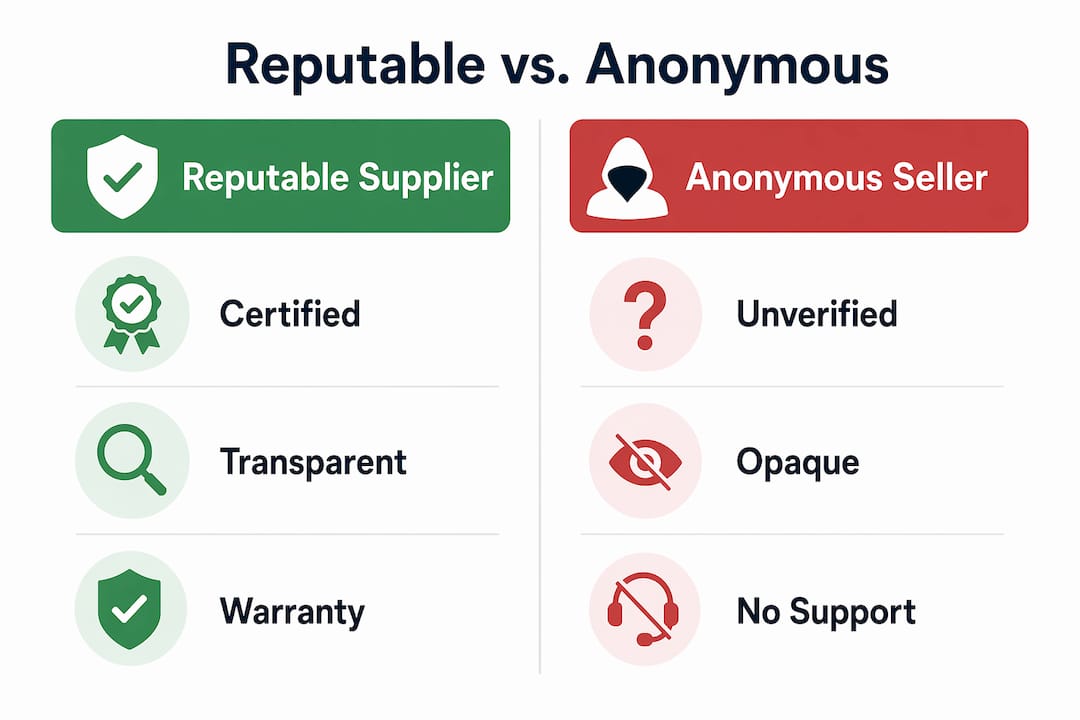
For consumers, this matters because an untraceable supply chain often signals other problems. If a supplier cannot document where their gold or gemstones came from, they likely cannot verify purity, labor conditions, or environmental compliance either. Traceability is the foundation that all other quality claims rest on.
Ethical sourcing also connects to fair labor practices at the mining and manufacturing stages. Reputable suppliers document these practices because they are accountable to regulators, industry bodies, and their own customers. Anonymous sellers have no such accountability.
- Documented supply chains protect you from receiving goods tied to forced labor or illegal mining.
- Ethical sourcing compliance reduces the risk of your purchase being seized or recalled.
- Suppliers who disclose origin data are more likely to disclose accurate material information as well.
- Traceability is now a baseline expectation for any trusted jewelry supplier operating in regulated markets.
The global jewelry industry has moved toward mandatory disclosure, and reputable suppliers have adapted. Suppliers who resist transparency are not protecting trade secrets. They are protecting information that would reduce their sales if buyers knew it. Understanding jewelry transparency gives you the framework to ask the right questions before you buy.
What long-term support do reputable suppliers actually provide?
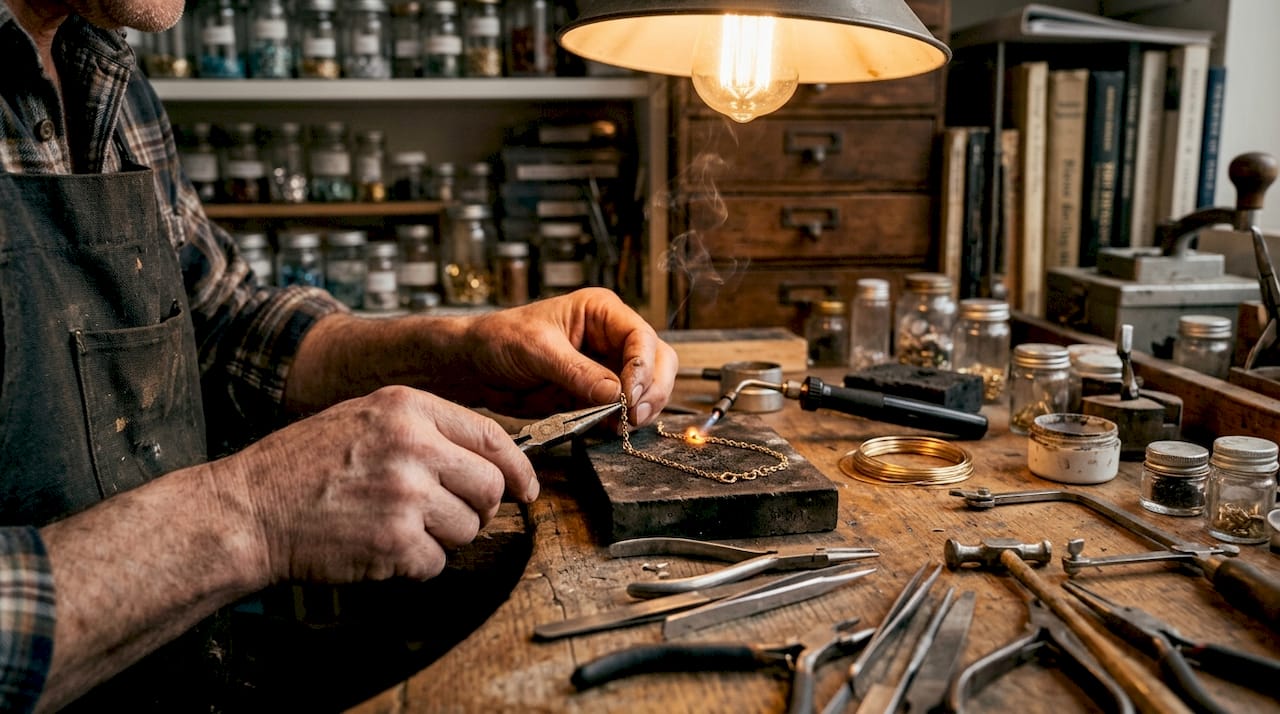
Reputable jewelers back their products with warranties that cover the full life of the piece, not just the first 30 days. Nationwide lifetime warranty programs from established jewelers include free cleaning, inspections, and repairs at any member store across the country. That coverage turns a one-time purchase into an ongoing relationship with real financial value.
The contrast with anonymous or unverified online sellers is significant. A seller with no physical presence, no documented history, and no warranty policy offers you nothing after the transaction closes. If a clasp breaks or a stone loosens, you absorb the cost entirely.
| Service | Reputable supplier | Anonymous seller |
|---|---|---|
| Warranty coverage | Lifetime, documented | None or limited |
| Free cleaning and inspection | Included | Not offered |
| Repair access | Nationwide network | No support |
| Post-sale contact | Named staff, accountable | Often unavailable |
| Certificate verification | Available on request | Rarely provided |
Reputable jewelers also remember customer preferences and offer honest advice without sales pressure. That kind of relationship spans life milestones, from engagement rings to anniversary gifts, and adds value that no single transaction can replicate.
Pro Tip: Before purchasing, ask the supplier directly: “What happens if this piece needs a repair in three years?” A reputable supplier answers that question clearly. An unreliable one deflects or goes silent.
Understanding your jewelry guarantee rights before you buy puts you in a much stronger position if something goes wrong later.
How to verify and choose a reputable jewelry supplier
Choosing a reputable supplier requires more than reading reviews. The most reliable indicator of supplier quality is longevity. Suppliers operating for 10 or more years have demonstrated the infrastructure to manage quality consistency, peak demand, and customer service over time. Newer suppliers may offer lower prices but often lack the systems to back up their claims.
Here is a practical verification process you can follow before committing to any purchase:
- Request original testing certificates. Ask for the document itself, not a photo. Then verify the certificate number directly with the issuing lab.
- Check the supplier’s operating history. A business with a decade or more of documented operation is far less likely to disappear after your purchase.
- Review material disclosures. Every product listing from a reputable supplier should state metal purity (e.g., 14K gold), any treatments applied to stones, and country of origin.
- Evaluate post-sale support. Call or email before buying. A supplier who responds promptly and clearly is more likely to support you after the sale.
- Treat platform badges as a starting point only. Verified supplier badges and trade assurance features provide baseline trust signals, but serious buyers validate with original lab reports and staged payments.
Certificate fraud is common in the jewelry market. Buyers who rely on seller-supplied images without checking the issuing body’s database are exposed to significant risk. The verification step takes five minutes and eliminates the most common form of supplier deception.
Red flags to watch for include vague product descriptions, certificates with no verifiable registration number, and sellers who cannot name the lab that tested their products. Family-owned jewelers often provide clearer pricing transparency and fairer margins than large chains, because lower overhead allows them to price closer to actual material and craftsmanship value. That pricing honesty is itself a signal of reputability.
For additional guidance on evaluating supplier credentials, tips on buying designer jewelry from trusted sellers offer a useful parallel framework that applies across jewelry categories.
Pro Tip: Search the supplier’s business name alongside the word “complaint” or “review” on independent platforms. A reputable supplier with years of operation will have a visible, verifiable track record, positive or mixed, but always real.
Key Takeaways
Buying jewelry from reputable suppliers protects your investment through verified authenticity, transparent sourcing, documented warranties, and accountable after-sale support.
| Point | Details |
|---|---|
| Certification verification | Always confirm certificate numbers directly with the issuing lab, not from seller-supplied images. |
| Supply chain transparency | Reputable suppliers document material origin and comply with regulations like the UFLPA. |
| Lifetime warranty value | Established jewelers offer free cleaning, inspection, and repairs that protect your piece long-term. |
| Supplier longevity matters | Suppliers with 10+ years of operation are more reliable for quality consistency and post-sale support. |
| Red flags to avoid | Vague descriptions, unverifiable certificates, and no post-sale contact are clear warning signs. |
What I’ve learned after years of watching buyers get this wrong
Most buyers focus entirely on price and design. They skip the verification step because it feels like extra work. That is the exact moment when a purchase goes from an investment to a gamble.
I have seen buyers receive pieces stamped “14K” that failed basic acid tests. I have seen certificates that looked professional but referenced labs with no accreditation record. The common thread in every bad outcome is the same: the buyer trusted the seller’s word without checking a single external source.
The relationship with a reputable jeweler is genuinely different from a transaction with an anonymous seller. A jeweler who has served your community for 15 years has something to protect. Their reputation is their business. That accountability changes how they source, how they disclose, and how they respond when something goes wrong.
What I find most underrated is the long-term cost calculation. A piece from a reputable supplier with a lifetime warranty and free repair access costs less over ten years than a cheaper piece that needs replacement or professional repair at your own expense. The upfront price is not the real price.
Consumer vigilance and supplier accountability work together. You cannot outsource the verification step entirely, but you can choose suppliers who make that step easier by being transparent from the start. That combination, your diligence plus their accountability, is what makes a jewelry purchase genuinely worth making.
— Blayne
Authentic jewelry with warranties you can count on
Bakergoldchains sources its pieces from reputable U.S. suppliers and backs every purchase with a lifetime craftsmanship guarantee. Every piece comes with clear material disclosures, including karat purity and construction details, so you know exactly what you are buying before you commit.
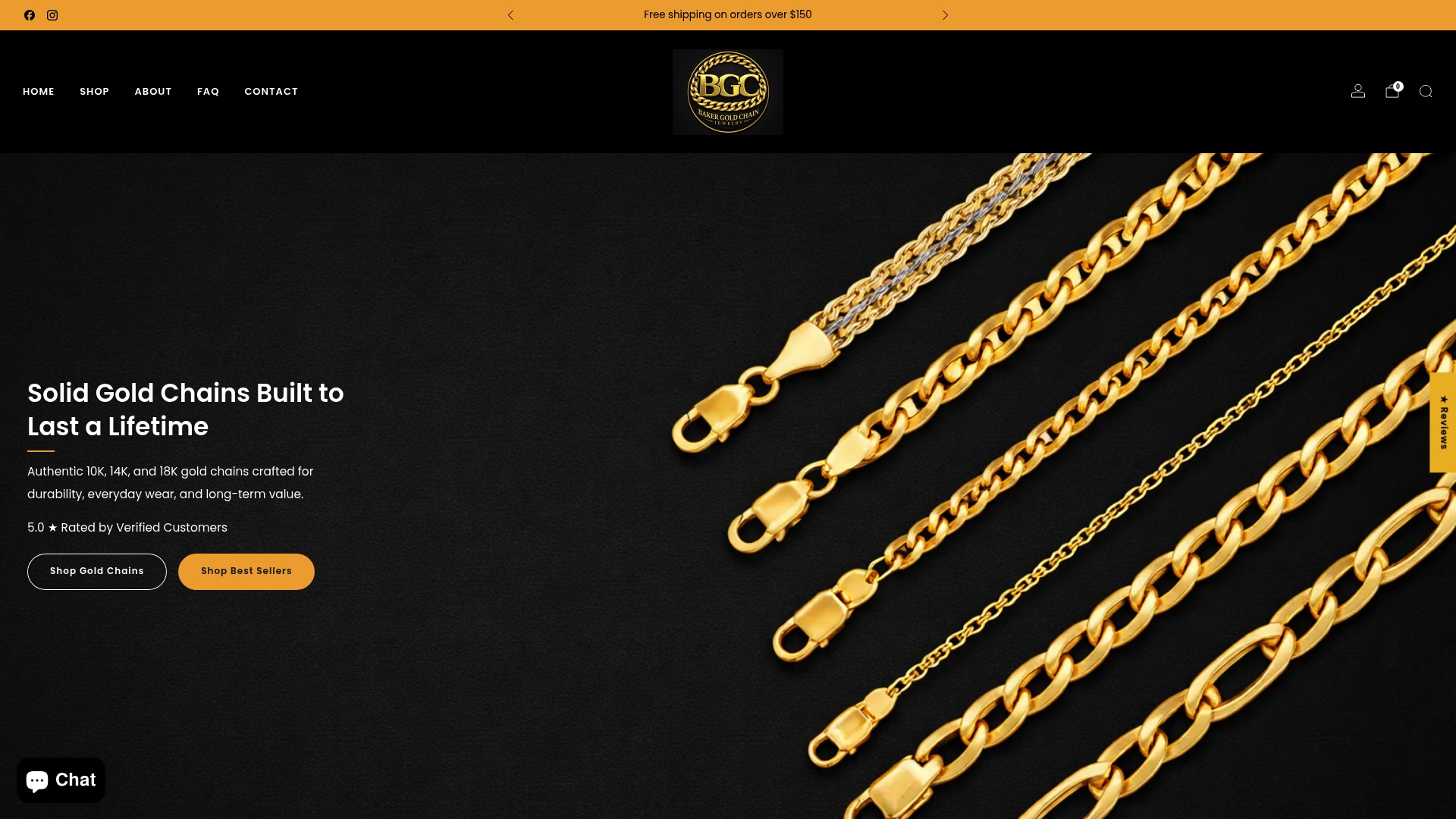
The collection includes solid gold pieces built for everyday wear and special occasions alike. The 14K yellow gold graduated bead necklace is a strong example of verified craftsmanship at a clear price point, with free insured shipping on orders over $150 and flexible financing available. For wedding jewelry with the same level of accountability, the 14K yellow gold wedding hoops offer lasting quality backed by a documented guarantee.
FAQ
What makes a jewelry supplier reputable?
A reputable jewelry supplier provides independent laboratory certifications, discloses metal purity and stone treatments, documents their supply chain, and offers post-sale support such as warranties and repairs. Longevity of operation, typically 10 or more years, is also a strong reliability indicator.
How do I verify a jewelry certificate is real?
Check the certificate registration number directly on the issuing laboratory’s official database. A seller-supplied image is not sufficient verification, since certificate fraud is common in the jewelry market.
Why does supply chain transparency matter for buyers?
Suppliers who cannot trace their materials may be sourcing from regions subject to import bans under laws like the U.S. Uyghur Forced Labor Prevention Act. Untraceable sourcing also signals a higher risk of inaccurate material disclosures.
What does a lifetime jewelry warranty actually cover?
Lifetime warranties from reputable jewelers typically cover free cleaning, inspections, and repairs for the life of the piece, often redeemable at any member store in a nationwide network.
Is buying from a family-owned jeweler better than a large chain?
Family-owned jewelers often offer more transparent pricing and closer margins to actual material value because of lower overhead costs. They also tend to build longer-term customer relationships with more personalized service.

