

What Is Jewelry Transparency? A Consumer's Guide
Jewelry transparency is defined as a retailer’s open disclosure of where materials come from, how pieces are made, and the quality standards behind every item sold. When a jeweler shares sourcing details, metal purity, gemstone grades, and pricing breakdowns, that is transparency in practice. Digital transparency statistically predicts higher consumer trust and willingness to pay premiums in jewelry purchases. That finding means the information a brand shares, or withholds, directly shapes what you pay and how confident you feel buying. Bakergoldchains treats transparency as a core commitment, not a marketing add-on, sourcing solid gold pieces from reputable U.S. suppliers and listing material details clearly on every product page.
What is jewelry transparency in sourcing and traceability?
Jewelry sourcing transparency means a brand can trace every material from its origin to the finished piece. The full chain runs from mine to refinery, then to cutter, then to assembler, and finally to the retailer. Each step should be documented. Without that documentation, ethical claims are just marketing copy.
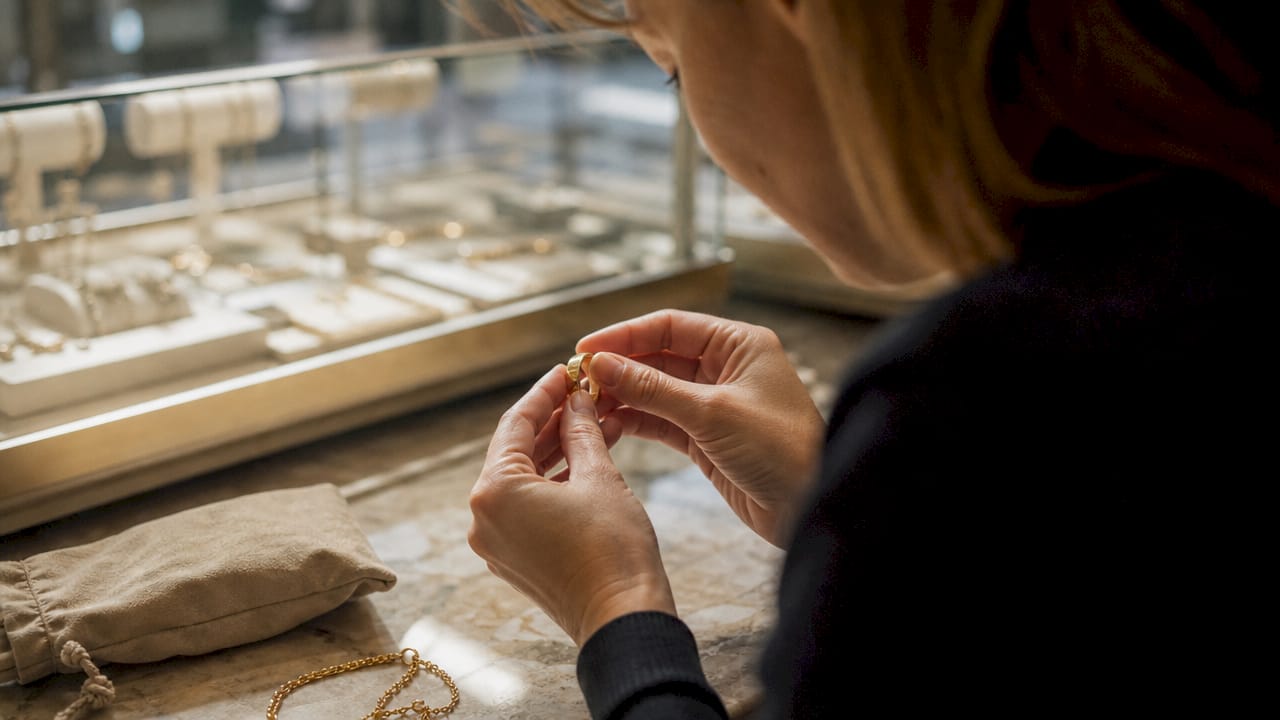
The most reliable proof of traceability comes from third-party certifications and physical hallmarks. Hallmarks serve as verifiable trust signals for metal purity and manufacturer accountability. A karat stamp of “14K” or “585” on a gold piece tells you the exact alloy composition and links the item to a registered manufacturer. Third-party audits go further, confirming labor conditions and environmental practices at each production stage.
Some brands now use blockchain technology to record chain-of-custody data. Each transaction from mine to retailer is logged on an immutable ledger, so you can verify the record yourself. This moves transparency from a brand promise to a provable fact.
Pro Tip: Ask any retailer for the hallmark location on a piece before you buy. A transparent seller will tell you exactly where to find it and what it means.
The gap between ethical claims and proven traceability is wide. A brand values page is a hypothesis. Treat brand values pages as hypotheses that require third-party audit reports or chain-of-custody documentation to verify. If a retailer cannot produce that documentation on request, the claim is unverified.
- Mine of origin: Documented country and mine name, not just a region
- Refinery certification: Confirmation the metal was processed at a certified, audited facility
- Cutting and setting records: Documentation of where gemstones were cut and by whom
- Assembly location: Country and facility where the piece was assembled
- Retailer disclosure: Clear listing of all above details on the product page or on request
How does transparency affect jewelry quality and pricing?
Transparency in jewelry quality means a seller openly explains every factor that determines what you pay. A transparent seller discloses metal weight, purity, making charges, hallmark location, and quality certification details to buyers. That level of detail removes guesswork and protects you from overpaying.
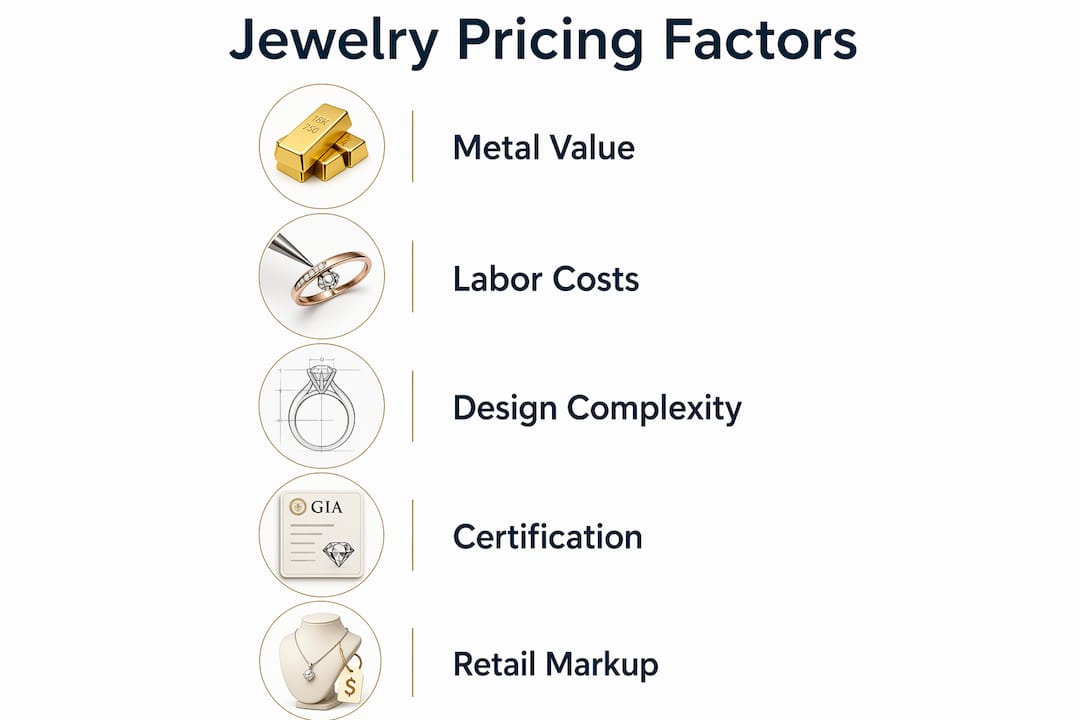
Pricing in fine jewelry has several distinct components. Transparent pricing includes clear breakdowns of metal value, labor, design, and brand premiums, which helps you understand exactly what you are paying for. A retailer who bundles all costs into a single price without explanation makes it impossible to compare value fairly.
| Pricing component | What it covers | Why it matters |
|---|---|---|
| Metal value | Weight in grams × current spot price per gram | Lets you verify the base cost independently |
| Labor and making charges | Crafting, setting, and finishing work | Varies widely; should be disclosed separately |
| Design premium | Unique or branded design elements | Justified only when design is genuinely distinctive |
| Brand premium | Retailer reputation and service costs | Acceptable when backed by guarantees and support |
| Taxes and duties | Applicable sales tax or import duties | Should be shown before checkout, not after |
For gemstones, quality transparency follows the 4Cs framework: cut, color, clarity, and carat weight. A transparent retailer provides a grading report from a recognized laboratory such as the Gemological Institute of America (GIA) for diamonds. Without a grading report, you have no independent verification of the stone’s quality. Treatments such as heat enhancement or fracture filling must also be disclosed, since they affect both durability and resale value.
Pro Tip: Request the exact gram weight of any gold piece before purchasing. Knowing the weight lets you calculate the metal’s raw value and judge whether the total price is fair.
- Metal purity: Confirmed by karat stamp and, ideally, an assay certificate
- Gemstone grade: Backed by a GIA or equivalent laboratory report
- Treatment disclosure: Any heat, filling, or coating treatments listed clearly
- Appraisal availability: Independent appraisal offered or recommended by the retailer
Understanding jewelry authenticity and documentation is the practical first step toward evaluating quality claims with confidence.
Why is transparency vital for ethical and sustainable jewelry?
Ethical jewelry is defined as jewelry produced without exploiting workers, funding conflict, or causing unnecessary environmental harm. Transparency is the mechanism that makes ethical claims verifiable. Without it, “ethical” is just a label.
Ethical jewelry transparency means providing verifiable documents about sourcing, labor, and environmental impact rather than relying on mission statements. A brand that publishes third-party audit results, names its suppliers, and discloses its environmental footprint gives you real evidence. A brand that only publishes a values page gives you nothing you can check.
Transparency is shifting from passive to a core luxury signal. Brands that openly educate rather than persuade build premium perception and reduce returns. That shift means transparency is no longer just an ethical nicety. It is a competitive advantage for brands willing to back their claims with documentation.
Red flags that signal a lack of genuine transparency include:
- Vague sourcing language such as “responsibly sourced” with no supporting documentation
- Refusal to name the country or facility where materials originate
- No third-party audit reports available, even on request
- Selective reporting that highlights positives while omitting labor or environmental data
- Evasive answers about sourcing and traceability when asked directly
The difference between a transparent brand and a non-transparent one is not always visible in the product. It shows up in the documentation. A brand that cannot or will not share that documentation is asking you to trust a claim it cannot prove.
How to evaluate jewelry retailer transparency as a consumer?
Evaluating a jeweler’s transparency takes a few direct questions and some attention to how they respond. The quality of the answer matters as much as the answer itself. A knowledgeable, confident response signals genuine transparency. Hesitation or deflection signals the opposite.
Online jewelry shoppers depend heavily on detailed images, certifications, and clear product information to replace the physical inspection they would do in a store. That means an online retailer’s product pages must work harder. Look for gram weight, karat stamp location, gemstone grade, treatment disclosures, and a clear returns policy on every listing.
Consistent positive customer feedback mentioning transparency and knowledgeable assistance is a stronger trust indicator than isolated high ratings. A single five-star review means little. Dozens of reviews that specifically mention accurate descriptions, honest pricing, and helpful staff tell you the transparency is real and consistent.
Use this checklist when evaluating any jeweler:
- Ask for the metal gram weight. A transparent retailer answers immediately and accurately.
- Request the hallmark location. They should tell you exactly where to find it on the piece.
- Ask for the gemstone grading report. For diamonds, a GIA report is the standard.
- Request a pricing breakdown. Metal, labor, design, and brand premium should be listed separately.
- Ask about sourcing. Request the country of origin for metals and gemstones.
- Check for treatment disclosures. Any enhancements to gemstones must be stated clearly.
- Review customer feedback. Look for repeated mentions of accurate descriptions and honest communication.
- Test their staff knowledge. A knowledgeable team is a strong sign of a transparent operation.
For online purchases specifically, shopping safely online requires checking return policies, certification availability, and seller verification before committing to a purchase.
Key Takeaways
Jewelry transparency is the single most reliable indicator of a retailer’s integrity, covering sourcing, quality disclosure, pricing, and ethical practices in one verifiable standard.
| Point | Details |
|---|---|
| Transparency starts with traceability | Demand chain-of-custody documentation from mine to retailer, not just a values page. |
| Quality disclosure protects your investment | Request gram weight, karat stamp, gemstone grading reports, and treatment disclosures before buying. |
| Ethical claims require evidence | Third-party audit reports and named suppliers separate genuine ethics from marketing language. |
| Pricing transparency prevents overpaying | A clear breakdown of metal, labor, design, and brand premium lets you compare value accurately. |
| Customer reviews confirm consistency | Repeated mentions of transparency in reviews are a stronger trust signal than star ratings alone. |
Transparency is the new standard, not a bonus feature
I have spent years watching the jewelry industry treat transparency as optional. Brands would publish a polished values page, use words like “responsibly sourced,” and call it done. Buyers accepted it because they had no framework for asking better questions.
That has changed. Consumers now ask for gram weights, request grading reports, and check supplier names. The brands that answer those questions clearly are winning. The ones that deflect are losing customers to retailers who simply show their work.
What I find most interesting is that transparency actually reduces buyer anxiety more effectively than any marketing campaign. When you know exactly what you are buying, the purchase feels confident rather than risky. That confidence translates directly into fewer returns and stronger long-term loyalty.
The brands I respect most treat transparency as a form of respect for the buyer. They are not hiding anything, so they have nothing to hide. That posture builds the kind of trust that no advertising budget can replicate. If a retailer cannot answer your basic questions about sourcing and quality, that silence is the most informative answer they can give you.
— Blayne
Bakergoldchains and what transparent gold jewelry looks like in practice
Bakergoldchains sources solid gold pieces from reputable U.S. suppliers and lists material details clearly on every product page. Every piece carries a karat stamp, and the team is available to answer sourcing and quality questions directly.
The 14K yellow gold graduated bead necklace is a clear example of what transparent product listings look like. Metal purity, craftsmanship details, and quality standards are stated upfront. Bakergoldchains also backs its pieces with a lifetime craftsmanship guarantee and offers free insured shipping on orders over $150. When you want gold jewelry that lasts, knowing exactly what you are buying is the first requirement. Bakergoldchains makes that information available before you spend a dollar.
FAQ
What is jewelry transparency in simple terms?
Jewelry transparency means a retailer openly shares where materials come from, how pieces are made, and what determines the price. It covers sourcing, quality disclosures, and ethical practices in verifiable detail.
How do hallmarks relate to transparency in jewelry?
Hallmarks are stamped marks that confirm metal purity and link a piece to its manufacturer. They are one of the most practical and verifiable transparency tools available to jewelry buyers.
What documents should a transparent jeweler provide?
A transparent jeweler provides a karat stamp location, gram weight, gemstone grading report (such as a GIA certificate for diamonds), treatment disclosures, and a sourcing breakdown on request.
How can I tell if a jewelry brand’s ethical claims are real?
Request third-party audit reports and chain-of-custody documentation. Vague language like “responsibly sourced” without supporting documents is a red flag that the claim is unverified.
Does transparency matter more for online jewelry purchases?
Online purchases rely entirely on written descriptions, images, and certifications since physical inspection is not possible. Detailed product information and consistent customer reviews mentioning accuracy are the primary trust signals for online buyers.

