

Building a Gold Chain Jewelry Collection That Lasts
Building a gold chain jewelry collection starts with three decisions: which styles anchor your wardrobe, which components hold everything together, and how to verify you’re buying real gold. Get those right, and every piece you add builds on a solid foundation. Rush past them, and you’ll end up with chains that break, clasps that fail, and metals that don’t match.
Here’s a quick-start checklist before you spend a dollar:
- Choose foundational styles first. Curb, rope, and Franco chains are the workhorses of any collection. They’re durable, versatile, and pair well with pendants.
- Understand your components. Clasps, jump rings, and pendants each affect how long a chain lasts and how well it wears.
- Verify gold purity. Look for hallmark stamps indicating gold karat purity. The number indicates the gold content.
- Inspect solder joints and jump rings. These are the weakest points in any chain’s construction. Clean, color-matched solder is a sign of real craftsmanship.
- Budget with purpose. Solid gold costs more upfront, but it holds value and doesn’t require replacement the way plated pieces do.
- Source from trusted specialists. Bakergoldchains carries solid 10K, 14K, and 18K gold chains sourced from reputable U.S. suppliers, backed by a lifetime craftsmanship guarantee.
What are the best gold chain styles for a collection?
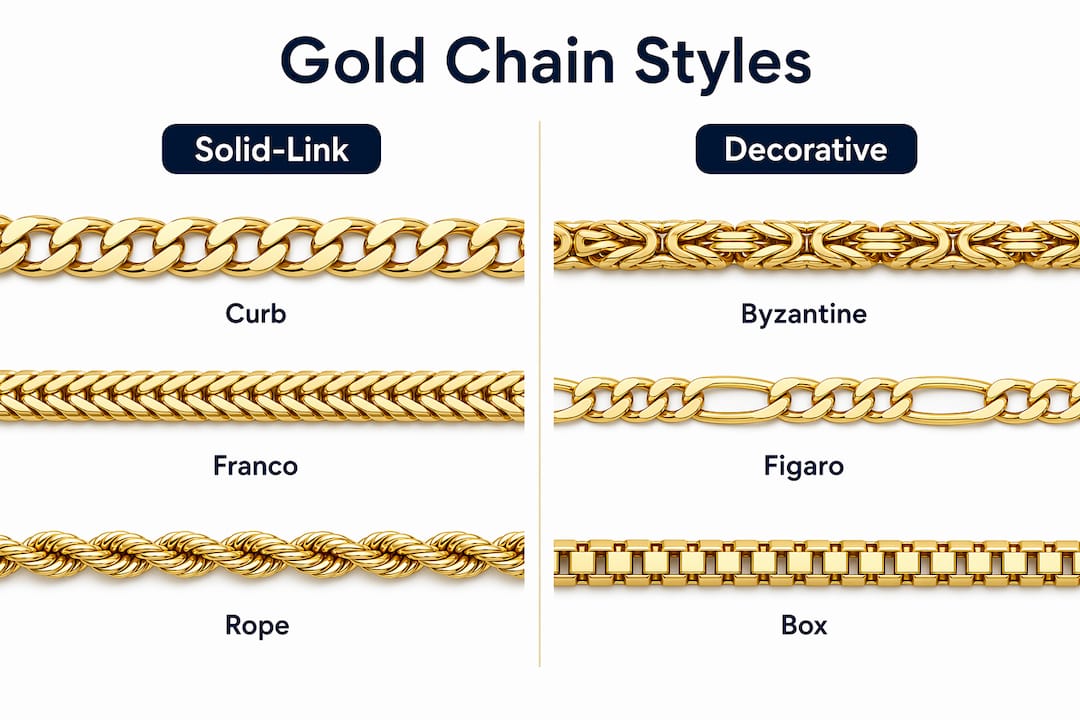
The style you choose determines how a chain wears, how it pairs with pendants, and how easy it is to repair if something goes wrong. Five styles consistently earn their place in a well-built collection.
- Curb chain. Flat, interlocking links that lie flush against the skin. Curb chains are among the most repairable chain styles available. A broken link can be removed and re-soldered with virtually no visible trace. They work for both casual and formal wear.
- Rope chain. Twisted links that create a spiral texture. Rope chains look substantial and hold up well under daily wear. Repairs are possible but leave a slightly visible thicker spot, so handle them with care.
- Franco chain. A tighter, four-sided variation of the curb. Franco chains are denser and more resistant to kinking, which makes them a strong choice for heavier pendants.
- Byzantine chain. Intricate interlocking links with a woven appearance. Byzantine chains are a statement piece, best worn solo or with a simple pendant. They’re more complex to repair, so buy quality from the start.
- Figaro chain. A pattern of two or three short links followed by one longer link. Figaro chains offer a classic look with moderate repairability and suit both men’s and women’s styling.
Pro Tip: For heavy pendants, prioritize solid-link styles like Curb or Franco over decorative designs like Byzantine. Solid links distribute load more evenly and are far easier to restore after a break.
Here’s how these five styles compare on the factors that matter most for collectors:
| Chain Style | Pendant Suitability | Repairability | Best Occasion |
|---|---|---|---|
| Curb | Excellent | Excellent | Everyday, formal |
| Rope | Excellent | Good | Casual, statement |
| Franco | Excellent | Good | Everyday, heavy pendants |
| Byzantine | Moderate | Limited | Statement, solo wear |
| Figaro | Good | Good | Everyday, versatile |
Gold chain necklaces have remained a foundation in jewelry for decades, and their versatility is a big reason why. As Vogue notes, few accessories can claim as broad and lasting a presence across cultures and style eras. Whether you’re building a minimal stack or a bold layered look, one of these five styles fits the role.
Which components make or break a gold chain?
A chain is only as strong as its weakest component. Collectors often focus entirely on the chain itself and overlook the clasp, jump rings, and pendant connection. That’s where most failures actually happen.
Clasps
The clasp type you choose has a direct impact on how secure your chain is under load. The lobster claw clasp is structurally stronger and more secure for medium-weight pendants than the bolt ring clasp, which is hollow and prone to fatigue. The bolt ring’s internal spring can weaken over time, and the small gap in its ring can pull open under constant pendant weight. A lobster claw uses a solid pivoting hook with a more robust spring, making accidental opening far less likely.
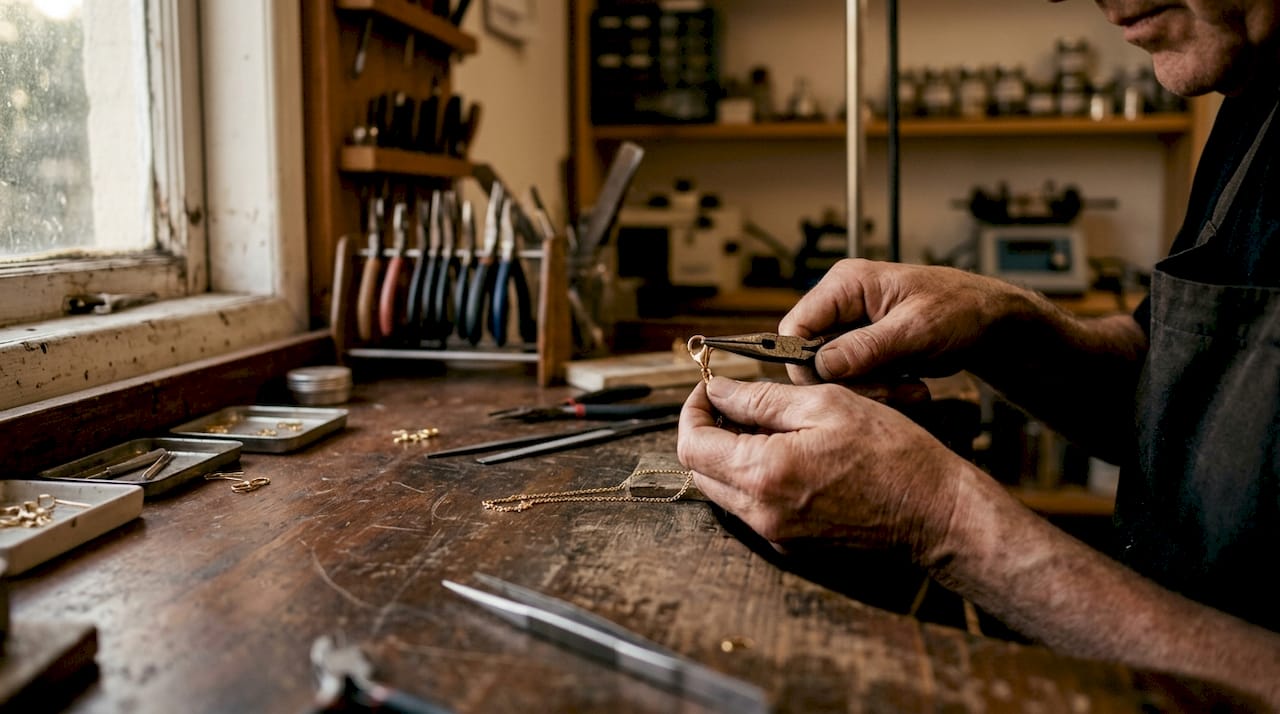
For truly heavy or valuable pendants, trigger clasps and barrel clasps offer an even higher level of security. Their locking mechanisms are more complex, which translates to greater load-bearing capacity.
Pro Tip: Test any clasp before you buy. Press the spring mechanism. It should snap back instantly with no hesitation. There should be no visible gap when closed, and the connecting jump ring should have no wiggle.
Jump rings
Jump rings are the small loops that connect the clasp to the chain. On a quality piece, every jump ring is fully soldered shut. A visible gap in a jump ring is a red flag, whether you’re buying new or inspecting a secondhand piece. Color consistency matters here too: the jump ring should match the chain’s gold tone exactly, not appear slightly different in shade or finish.
Pendants and charms
Pendants add personal meaning to a chain, but they also add weight and stress. Match pendant weight to chain style. A delicate rope chain can handle a small charm, but a heavy medallion needs a Franco or Curb chain with a lobster or trigger clasp. Color matching is equally important. A yellow gold pendant on a white gold chain, or a 10K clasp on an 18K chain, creates visual inconsistency and can indicate mismatched craftsmanship standards.
How do you verify the quality and durability of a gold chain?
Quality verification comes down to four things: reading the hallmark, understanding what the karat means for durability, inspecting the construction, and knowing when a visual check isn’t enough.
Reading hallmark stamps
Hallmark stamps are the primary indicators of gold purity. Look for them on the clasp or the loop connecting the clasp to the chain. Hallmark stamps such as 750, 585, or 417 indicate respective gold karat purities, marking the alloy composition. Stamps like GP, GEP, or HGE indicate gold plating, not solid gold. Avoid those if you’re building a collection meant to hold value.
Karat and durability
Higher karat doesn’t always mean stronger. 18K gold chains are softer than 9K or 10K, but they’re more ductile. When an 18K chain is overloaded, it bends and stretches rather than snapping. That’s a safer failure mode, especially for heavy pendants. You might end up with a stretched link, but you won’t lose your pendant on the floor. Lower karat chains are harder and more scratch-resistant, but they’re also more brittle and more likely to snap under sudden stress.
For everyday wear, 14K gold strikes the best balance. It’s durable enough for daily use, rich in color, and widely available in the United States.
Inspecting construction
Solder joints and jump rings are the weakest points in any chain’s construction. High-quality chains feature complete, cleanly polished solder points whose color matches the main chain links. A lumpy, discolored, or incomplete solder joint signals a rushed manufacturing process and a future breaking point. Run your fingers along the chain. Every link should feel uniform. Any rough edge or irregular shape is worth a closer look.
Authenticity checks
The magnet test is a useful first filter, but it requires some nuance. Genuine gold chain links should be non-magnetic. However, clasp springs may contain steel parts that react to a Neodymium magnet. If only the clasp spring reacts, the chain is likely real. If the links themselves jump toward the magnet, the chain contains non-gold metals.
Weight and density are also useful clues. Solid gold feels heavy and substantial for its size. But be aware: tungsten-wrapped fake gold chains can mimic gold’s density almost perfectly, fooling even experienced buyers. For high-value purchases, professional XRF (X-Ray Fluorescence) analysis is the only way to confirm alloy composition with certainty. XRF testing is non-destructive and provides an exact breakdown of every metal present in the chain.
Real gold also never turns your skin green. If you notice a green or dark ring after wearing a chain, the piece contains copper-heavy base metals, not solid gold.
How to build and customize your personal gold chain collection
Start with two or three foundational pieces before adding anything specialty. A 14K Curb chain in a medium width, a rope chain in a slightly different gauge, and a Franco chain for pendant wear will cover most occasions and give you a base to build from. Specialty styles like Byzantine or Figaro can come later, once you know what you actually reach for.
Mixing styles and occasions
Layering works best when chains vary in length and texture. A shorter Curb chain at 18 inches paired with a longer rope chain at 22 inches creates visual depth without competing. For formal occasions, a single clean chain with a simple pendant reads more polished than a full stack. Save the layered look for casual or social settings where the extra detail lands well.
Color matching across your collection keeps everything cohesive. If your foundational chains are yellow gold, stick to yellow gold pendants and clasps. Mixing yellow and white gold in the same outfit can work intentionally, but inconsistent color within a single chain or clasp is always a quality issue, not a style choice.
Maintenance to protect your investment
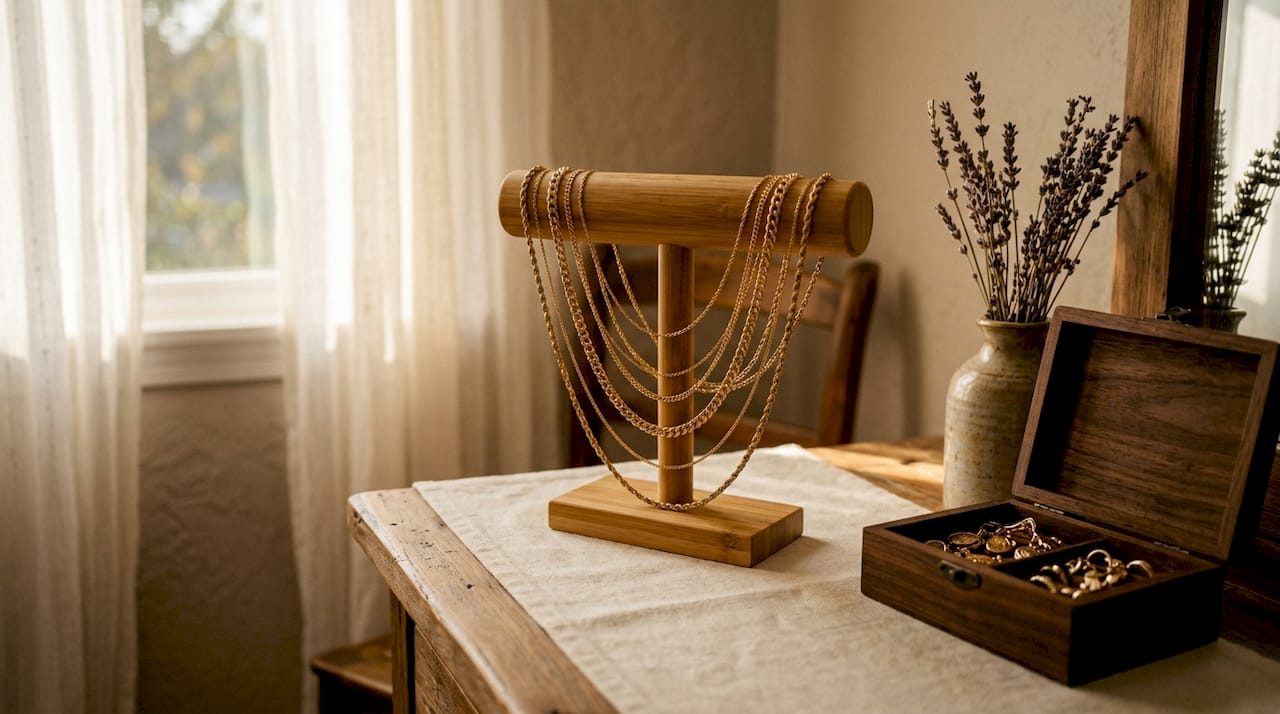
Gold chains last for decades when cared for properly. Store each chain separately to prevent tangling and scratching. A soft-lined jewelry box with individual compartments works well. Avoid wearing chains in chlorinated pools, saltwater, or while applying lotions and perfumes, as these can dull the finish over time.
Clean your chains regularly with warm water and a small amount of mild dish soap. A soft toothbrush reaches into link crevices without scratching the metal. Bakergoldchains publishes a detailed guide on cleaning gold chains that walks through the full process step by step.
Pro Tip: Set a monthly inspection schedule. Check clasps for spring tension, look at jump rings for gaps, and run your fingers along solder joints. Catching a weakening clasp early costs far less than replacing a lost pendant.
Sourcing authentic pieces
Buy from specialists who disclose the karat, sourcing, and craftsmanship details upfront. Bakergoldchains carries solid 10K, 14K, and 18K gold chains sourced from reputable U.S. suppliers. Orders over $150 ship free with insurance, and every piece carries a lifetime craftsmanship guarantee. For buyers who want guidance before purchasing, the smart buyer’s guide at Bakergoldchains covers exactly what to check before committing to a chain.
Avoid sellers who can’t provide hallmark documentation or who list chains without specifying solid versus plated. Transparency on those details is the clearest sign of a trustworthy source.
What does a custom gold chain collection typically cost?
Solid gold pricing follows the gold market, so costs shift over time. That said, the karat and weight of a chain are the two biggest cost drivers, and understanding them helps you budget without overspending or underbuying.
Cost by karat
10K gold contains the least gold by percentage and carries the lowest price per gram. It’s a practical entry point for collectors who want solid gold without the premium price of higher karats. 14K gold sits in the middle, offering a strong balance of gold content, durability, and cost. It’s the most popular karat in the United States for exactly that reason. 18K gold commands the highest price per gram due to its 75% gold content, and it’s the preferred choice for luxury or heirloom-quality pieces.
Budgeting for a starter collection
A practical starter collection of two or three solid gold chains in 14K can range from a few hundred dollars to well over a thousand, depending on chain weight, length, and style. Heavier chains like Cuban or Franco styles cost more than delicate rope or Figaro chains of the same length, simply because they use more gold. Pendants add to the total, especially if they include gemstones or intricate metalwork.
One approach that works well: allocate the largest portion of your budget to the chain you’ll wear most often. A high-quality 14K Curb or Franco chain worn daily justifies the investment. Specialty pieces like Byzantine or statement chains can be added gradually as budget allows.
Plated versus solid gold
Gold-plated chains cost significantly less upfront, but the plating wears away over time, exposing the base metal underneath. For a collection built to last and hold value, solid gold is the only choice worth making. The price difference is real, but so is the difference in longevity. A solid 14K chain bought once outlasts a plated chain bought several times over.
Bakergoldchains offers flexible financing options, which makes it easier to invest in solid gold pieces without stretching a single purchase too far. Spreading the cost of a quality chain over time is a smarter approach than buying cheaper plated alternatives that need replacing.
Key Takeaways
A well-built gold chain collection starts with solid-link styles, quality components, and verified gold purity, and it lasts for decades when sourced and maintained correctly.
| Point | Details |
|---|---|
| Start with foundational styles | Curb, rope, and Franco chains cover most occasions and support heavy pendants reliably. |
| Inspect solder joints and jump rings | These are the weakest points in any chain; clean, color-matched solder signals real craftsmanship. |
| Match karat to purpose | 14K gold balances durability and cost for everyday wear; 18K suits heirloom or luxury pieces. |
| Choose lobster or trigger clasps | These outperform bolt ring clasps for medium to heavy pendant loads and resist accidental opening. |
| Buy solid gold, not plated | Solid 10K, 14K, or 18K gold holds value and outlasts plated alternatives many times over. |
Start your collection with pieces built to last
Bakergoldchains carries solid 10K, 14K, and 18K gold chains sourced from reputable U.S. suppliers, with a lifetime craftsmanship guarantee on every piece. Free insured shipping applies to orders over $150. Whether you’re starting with a foundational Curb chain or adding a statement pendant to an existing collection, every piece is built to wear well and hold its value.
Browse the 14K yellow gold necklace collection or explore the graduated bead necklace in 14K yellow gold as a starting point. Both represent the kind of quality and craftsmanship that anchors a collection built to last.

