

Gold Chain Rarity and Collectibility: A Collector's Guide
Gold chain rarity and collectibility are defined by a combination of intrinsic gold content, historical provenance, craftsmanship, and market demand. Not every gold chain holds the same appeal to collectors. The factors that separate a truly rare piece from a standard retail chain include karat purity, production era, chain style, and weight. Understanding these distinctions lets you buy with confidence and build a collection that holds real value over time.
1. What makes gold chain rarity and collectibility matter
Rarity in gold chains means scarcity. A chain becomes rare when its design, production method, age, or condition limits how many exist in the market. Collectibility is different. It describes desirability based on a combination of value, historical significance, design quality, and buyer demand. A chain can be rare without being collectible, and collectible without being genuinely scarce. The most valuable pieces are both.
The World Gold Council recognizes karat purity as the foundational standard for measuring gold content. Collectors who understand this standard can assess a chain’s intrinsic worth before factoring in any design or historical premium. Knowing the difference between melt value and retail price is the first skill every serious collector needs.
2. How karat purity drives value and scarcity
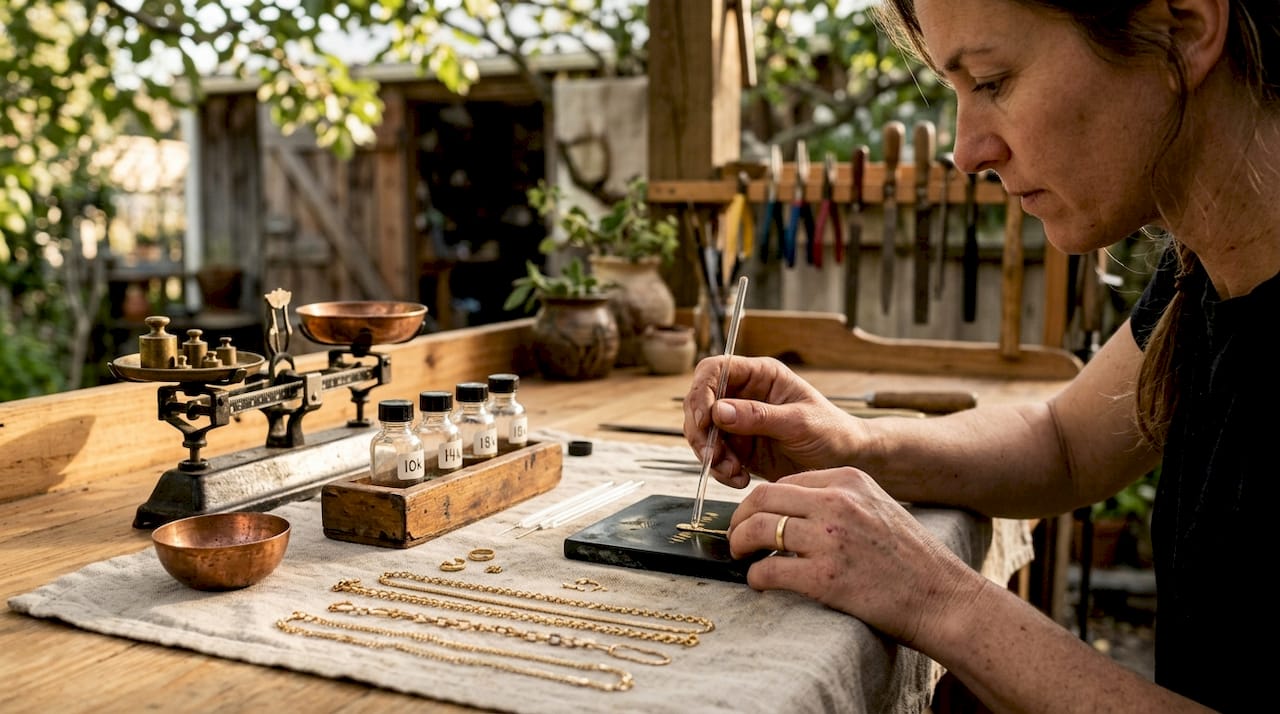
Karat purity determines how much actual gold a chain contains. The percentages break down clearly: 10K gold contains 41.7% pure gold, 14K contains 58.3%, 18K contains 75%, and 24K is nearly pure at 99.9%. Higher karat chains are rarer in the retail market because they cost more to produce and are softer, making them harder to craft into durable wearable pieces.
For collectors focused on gold chain investment, karat purity directly shapes resale recovery. Resale typically returns 40%–90% of a chain’s gold melt value, excluding any design premium. That range is wide because where you sell matters as much as what you sell.
| Karat | Gold content | Typical collector appeal |
|---|---|---|
| 10K | 41.7% | Entry-level; durable; lower melt value |
| 14K | 58.3% | Most popular; strong value retention |
| 18K | 75% | Higher purity; preferred by serious collectors |
| 24K | 99.9% | Purest; rare in chain form; soft and fragile |
Pro Tip: Always check the karat stamp on any chain before buying for investment. A stamp reading “585” confirms 14K gold; “750” confirms 18K. No stamp is a red flag.
3. Vintage and antique gold chains: rarity from history
Vintage and antique gold chains carry a rarity premium that purely modern pieces cannot match. Chains from restricted production eras, such as wartime periods when materials were rationed, are genuinely scarce. Short-lived design techniques from specific decades also add scarcity. A chain produced using a method that fell out of practice in the 1940s simply cannot be replicated at scale today.
Provenance is the documented history of a piece. A chain with a verified maker’s mark, original receipt, or notable ownership history commands a higher price than an identical chain without that paper trail. Collectors treat provenance as evidence. It converts a beautiful object into a verifiable artifact.
Key factors that increase vintage chain rarity:
- Maker’s marks from recognized craftsmen or historic jewelry houses
- Limited production windows tied to specific decades or events
- Documented provenance including original purchase records or estate papers
- Condition rated as excellent or near-mint for the piece’s age
- Unique construction techniques no longer used in modern manufacturing
“Chains from eras with restricted production, such as wartime material limitations, enhance rarity significantly.” Collectors who can verify these details through expert appraisal hold a real advantage in the market.
Misidentification is the biggest risk in vintage collecting. A chain that looks antique may be a later reproduction. Always consult a certified gemologist or accredited appraiser before paying a vintage premium. The cost of an expert opinion is small compared to the cost of a bad purchase.
4. Popular gold chain styles and their collectible appeal
Chain style affects both market demand and the amount of gold a piece actually contains. Style and weight together determine real gold value. A hollow chain may look impressive but contains far less gold than a solid chain of the same length and apparent thickness.
The most collectible styles among enthusiasts tend to be heavier, solid-link designs:
- Cuban link chains: Dense, interlocking links with high gold weight per inch. Consistently strong resale demand.
- Rope chains: Twisted construction creates a classic look. Solid rope chains hold value well due to their weight.
- Franco chains: Square links with a tight weave. Durable and popular with collectors who prioritize wearability.
- Byzantine chains: Complex interlocking pattern. Rarer due to the skill required to produce them. Strong collector interest.
- Figaro chains: Alternating link sizes. Widely recognized and easy to resell.
Style trends shift over time, and that affects collectibility. Cuban links, for example, have seen sustained demand that keeps their resale value strong. Byzantine chains appeal to a narrower audience but command a premium because fewer craftsmen produce them at high quality.
Pro Tip: Match chain style to your collecting goals. If you want maximum gold weight for the price, choose a solid Cuban or rope chain. If you want design rarity, look at Byzantine or handmade artisan styles with documented craftsmanship.
You can compare durable styles for collectors to understand which constructions hold up best over decades of wear and storage.
5. Market trends and investment potential
The gap between retail price and melt value is the most important concept in gold chain investment. Jewelry retail markups commonly run 100%–300% above wholesale costs. That markup covers labor, brand, and retail overhead. Almost none of it comes back to you on resale. This is not a reason to avoid collecting. It is a reason to buy strategically.
Where you sell a gold chain determines how much value you recover. Pawn shops typically offer 40%–70% of melt value. Specialist gold buyers return 60%–90%. Refiners pay 85%–90% but strip out all design value. For collectors, selling to other collectors or through auction often produces the best outcome because it captures both melt value and design premium.
The strongest investment approach follows three steps:
- Buy heavier, solid chains. Heavier 14K chains retain value better because the gold content per gram is higher relative to the labor cost embedded in the price.
- Prioritize karat transparency. Only buy from sellers who clearly state karat and weight. Price per gram and karat purity are the two metrics that determine real value.
- Track market demand. Cuban links and rope chains have shown sustained collector interest. Niche styles like Byzantine chains appeal to a smaller pool but can command outsized premiums when demand aligns.
Current gold jewelry trends show that collectors in 2026 are increasingly focused on pieces that combine wearability with genuine gold weight. Flashy but light chains are losing ground to heavier, simpler designs with better long-term value retention.
6. Gold chain appraisal: how to value what you own
A gold chain appraisal is a formal assessment of a piece’s value based on gold content, weight, condition, and market comparables. Knowing how to value gold chains starts with three numbers: the current gold spot price, the chain’s weight in grams, and its karat purity. Multiply the weight by the gold content percentage, then multiply by the spot price per gram. That gives you the melt value floor.
Design premiums sit above the melt value floor. A Byzantine chain from a recognized maker in excellent condition sells for more than its melt value. A plain cable chain in average condition sells close to melt. The gap between those two outcomes is where collector knowledge pays off.
Jewelry resale value is frequently misunderstood. Most sellers discover their chain is worth less than they paid because retail markup is not recoverable through standard resale channels. Collectors who buy with resale in mind choose pieces where the gold weight is high relative to the purchase price. That means avoiding hollow chains, plated pieces, and designs where labor cost dominates the price.
Pro Tip: Before any appraisal, weigh your chain on a precise digital scale and note the karat stamp. Bring both numbers to your appraiser. It prevents errors and speeds up the process.
7. Authenticity and condition: protecting collectible value
Authenticity is the foundation of collectible value. A chain that cannot be verified as solid gold at the stated karat is worth nothing above its appearance. The karat stamp and weight are the two primary verification tools. Stamps like “417” for 10K, “585” for 14K, and “750” for 18K are the industry standard markers in the United States.
Condition affects value directly. A chain with broken links, heavy scratches, or missing components sells at a discount even if the gold content is high. Collectors who maintain their pieces carefully protect both wearability and market value. Proper storage, regular cleaning, and avoiding contact with harsh chemicals all extend a chain’s life and preserve its collector appeal.
Spotting fakes is a skill every collector needs. Verifying chain authenticity protects your investment from the start. Common red flags include missing karat stamps, unusually light weight for the chain’s size, and discoloration at clasp points where plating wears through.
Key takeaways
Gold chain value is determined by karat purity, weight, condition, and provenance, not by retail price or appearance alone.
| Point | Details |
|---|---|
| Karat purity sets the floor | Higher karat chains contain more gold and typically recover more value on resale. |
| Weight beats style for investment | Heavier solid chains hold value better than lighter or hollow designs of the same style. |
| Provenance adds a premium | Documented history, maker’s marks, and production era all increase a vintage chain’s collectible value. |
| Where you sell changes your return | Specialist buyers and collectors return 60%–90% of melt value; pawn shops return far less. |
| Authenticity must be verified | Always confirm karat stamp and weight before buying any chain for investment or collection. |
What I’ve learned from years of watching collectors get this wrong
Most collectors I’ve seen make the same mistake. They focus on how a chain looks and ignore how much gold it actually contains. A thick, impressive chain that turns out to be hollow is one of the most common disappointments in this market. The weight tells you the truth every time.
The second mistake is paying a vintage premium without doing the verification work. I’ve watched collectors spend significantly more on a chain described as “antique” only to find it was a reproduction from the 1980s. A certified appraisal costs a fraction of what a bad purchase costs. Skipping it is never worth the savings.
My honest recommendation for anyone building a collection: start with solid 14K chains in classic styles. They offer the best balance of gold content, durability, and resale demand. Once you understand how weight and purity translate to value, you can move into vintage pieces or rarer styles with real confidence. The goal is a collection that holds value and that you actually enjoy wearing. Timeless design and craft matter as much as the numbers. A chain you wear and care for will always be worth more than one sitting in a drawer.
— Blayne
Bakergoldchains: solid gold chains built for collectors
Bakergoldchains offers a curated selection of authentic solid gold chains in 10K, 14K, and 18K gold, sourced from reputable U.S. suppliers. Every piece comes with full karat and weight transparency, so you know exactly what you are buying.
The collection includes rope, Cuban, Franco, and Byzantine styles in a range of weights, giving collectors the choice between everyday wearability and heavier investment-grade pieces. The 14K graduated bead necklace is a strong example of the balance Bakergoldchains delivers: classic design, solid construction, and verified gold content. All orders over $150 ship free with insurance, and a lifetime craftsmanship guarantee backs every purchase.
FAQ
What determines gold chain rarity?
Gold chain rarity is determined by scarcity of design, production era, karat purity, and condition. Chains from limited production periods or with documented maker’s marks are the rarest.
Is a higher karat gold chain always more collectible?
Higher karat chains contain more gold and are rarer in wearable form, but collectibility also depends on design, weight, and market demand. An 18K Byzantine chain in excellent condition is more collectible than a plain 18K cable chain.
How do I get an accurate gold chain appraisal?
Bring the chain’s weight in grams and karat stamp to a certified gemologist or accredited appraiser. They will calculate melt value using the current gold spot price and assess any design or provenance premium above that floor.
Does a hollow gold chain hold collector value?
A hollow chain contains significantly less gold than a solid chain of the same size, which reduces its melt value and collector appeal. Serious collectors prioritize solid construction over appearance.
Where is the best place to sell a collectible gold chain?
Specialist gold buyers and collector-to-collector sales return the most value, typically 60%–90% of melt value. Pawn shops offer the least, usually 40%–70%, and strip out any design premium entirely.

