

Jewelry Investment Guide: What It Is and How It Works
Jewelry investment is defined as purchasing fine jewelry with the intent to preserve or grow financial value over time, rather than buying purely for fashion or adornment. Unlike stocks or bonds, investment jewelry derives its worth from rarity, craftsmanship, brand prestige, and the intrinsic value of precious metals and gemstones. The World Gold Council and CNBC both track this category as a legitimate wealth storage vehicle, especially during periods of economic uncertainty. For investors and enthusiasts alike, understanding what drives jewelry’s financial value is the first step toward making purchases that hold or grow in worth.
What is jewelry investment and why does it matter in 2026?
Jewelry investment refers to acquiring fine jewelry as a tangible asset with measurable financial upside, not just aesthetic appeal. This distinction matters because the motivations, selection criteria, and exit strategies for investment-grade pieces differ significantly from everyday jewelry purchases.
Wealthy consumers are shifting toward jewelry as a tangible store of value during periods of macroeconomic uncertainty and inflation. Tangible assets like gold and gemstone jewelry provide capital preservation when equity markets become volatile, functioning as a “flight to safety” for high-net-worth buyers. This trend is not speculative. It reflects a structural shift in how investors think about portfolio diversification.
The World Gold Council’s Q1 2026 data shows that gold jewelry demand volume fell 23% year over year while spending increased 31%. That gap tells you everything: buyers are purchasing fewer pieces but paying significantly more per piece. Quality and value concentration are now the defining features of the jewelry investment market.
Pro Tip: If you are entering the jewelry investment space in 2026, focus on fewer, higher-value pieces rather than building volume. The market data confirms this is where both demand and price appreciation are concentrated.
| Market Indicator | What It Signals |
|---|---|
| Gold jewelry volume down 23% | Buyers are more selective, not less interested |
| Jewelry spending up 31% | Premium pieces are absorbing more consumer dollars |
| Branded jewelry demand rising | Prestige and certification command price premiums |
| Colored gemstone interest growing | Diversification beyond gold is gaining traction |
Jewelry does not generate income the way stocks or rental property do. Liquidity and transaction costs differ markedly from financial assets, which means jewelry should complement a diversified portfolio rather than replace conventional investments. Knowing this upfront prevents the most common mistake new jewelry investors make: expecting short-term returns.
Which types of jewelry make the best investments?
Not all jewelry appreciates equally. The type of material, level of craftsmanship, and presence of credible certification are the three factors that separate investment-grade pieces from decorative purchases.
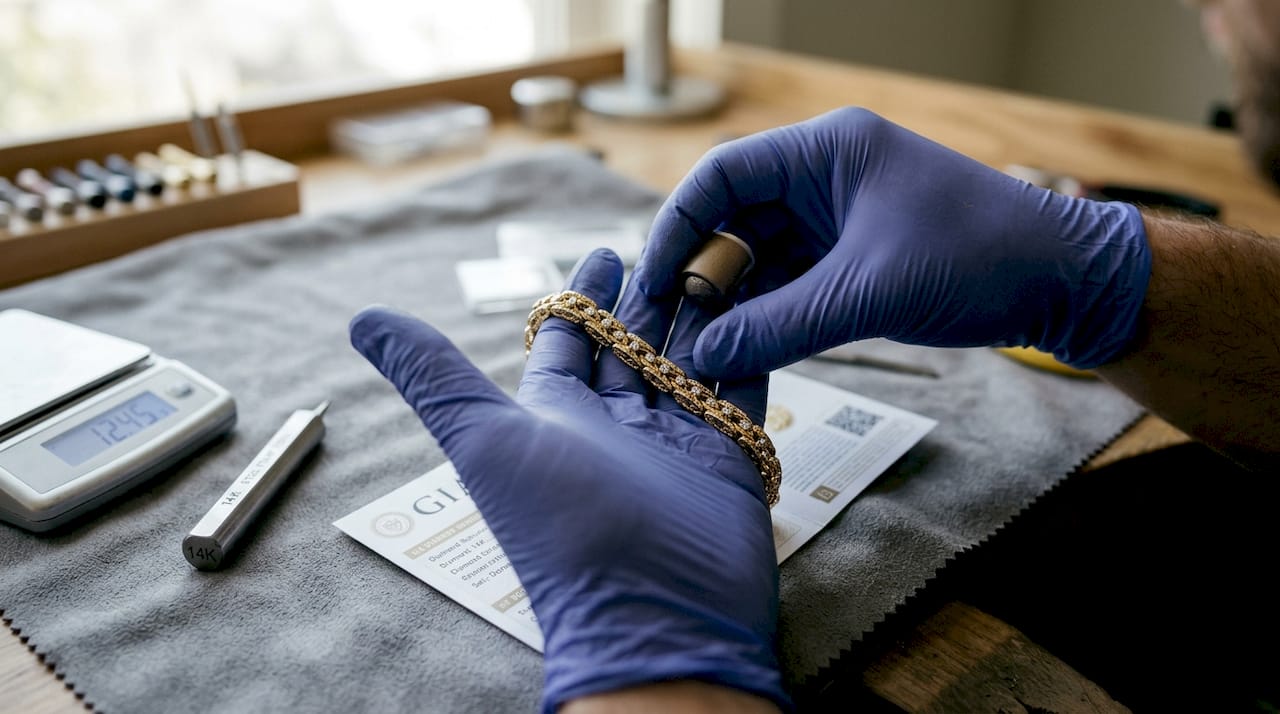
Gold jewelry is the most accessible entry point for most investors. Understanding gold purity and karat is foundational: 24K gold is the purest form, but 18K and 14K alloys are more durable for wearable pieces and still carry strong intrinsic metal value. The key distinction is between solid gold and gold-plated or gold-filled jewelry. Only solid gold retains meaningful resale value tied to metal content.
Branded and designer jewelry from houses like Cartier, Van Cleef and Arpels, and Tiffany and Co. consistently shows mid- to high-single-digit annual price increases over the long term. Resale typically occurs at a moderate discount to retail, but pieces held for five to ten years can exceed the original purchase price. Brand prestige functions as a price floor that generic jewelry simply does not have.
Diamonds require careful handling as investments. Certified diamonds command market rates far more reliably than uncertified stones. A GIA certificate is the industry standard, and two visually identical stones can differ dramatically in resale price based solely on documentation quality. Lab-grown diamonds, while visually identical to natural stones, carry significantly lower secondary market value and are not considered strong investment vehicles.
Colored gemstones including rubies, sapphires, and emeralds are an emerging category. Collector premiums for rare, certified colored stones can be substantial, and demand from high-net-worth buyers is growing. This category rewards expertise more than any other, so it suits experienced collectors rather than first-time investors.
- Solid gold (14K, 18K, 24K): strong intrinsic value, liquid metal market, accessible entry point
- Branded designer jewelry: brand premium acts as price floor, best long-term appreciation
- Certified natural diamonds (GIA-graded): reliable valuation, strong resale with documentation
- Rare colored gemstones: high upside, high expertise requirement, growing collector demand
- Lab-grown diamonds or gold-plated pieces: low resale value, not suitable for investment purposes
Pro Tip: Always request a GIA or equivalent certificate when purchasing diamonds for investment. Without documentation, you are buying a decorative item, not an investment asset. The certificate is what makes the stone tradeable at market rates.
What are the real risks of investing in jewelry?
Jewelry investment carries specific risks that every buyer should understand before committing capital. These are not reasons to avoid the category, but they are reasons to enter it with clear expectations.
-
Making charges and taxes reduce your starting position. Gold jewelry includes craftsmanship fees, retail markups, and applicable taxes on top of the metal’s spot price. These costs mean you are already behind the gold price the moment you buy. Breaking even on gold jewelry takes an average of five to seven years when you account for these charges. Bullion investors do not face this same drag.
-
Resale prices are typically discounted from retail. Even high-quality pieces sell at a discount to what you paid unless you are selling a rare, branded, or certified item with strong collector demand. Understanding your resale channel before you buy is not optional. It is part of the investment thesis.
-
Storage, insurance, and security add ongoing costs. Fine jewelry requires secure storage and insurance coverage. These are real expenses that reduce your net return over time. A piece that appreciates 15% over five years may net considerably less once you account for annual insurance premiums and safe storage fees.
-
The market is cyclical and illiquid. Jewelry does not trade on an exchange. Selling quickly often means accepting a lower price. Jewelry should not replace equities or ETFs in a portfolio because the liquidity profile is fundamentally different.
-
Emotional attachment can distort financial judgment. Jewelry carries cultural and sentimental weight that stocks do not. Investors who conflate emotional value with financial value tend to overpay on entry and hold too long on exit. Keeping these two categories separate is a discipline, not a given.
How to invest in jewelry wisely
Practical execution separates successful jewelry investors from buyers who simply own expensive items. These steps apply whether you are purchasing your first investment piece or expanding an existing collection.
Authenticate before you buy. Learn to read karat stamps (10K, 14K, 18K, 24K) and request assay certificates or hallmark documentation for any significant purchase. For gold pieces, understanding how to identify premium gold jewelry protects you from overpaying for plated or filled pieces that carry no real investment value.
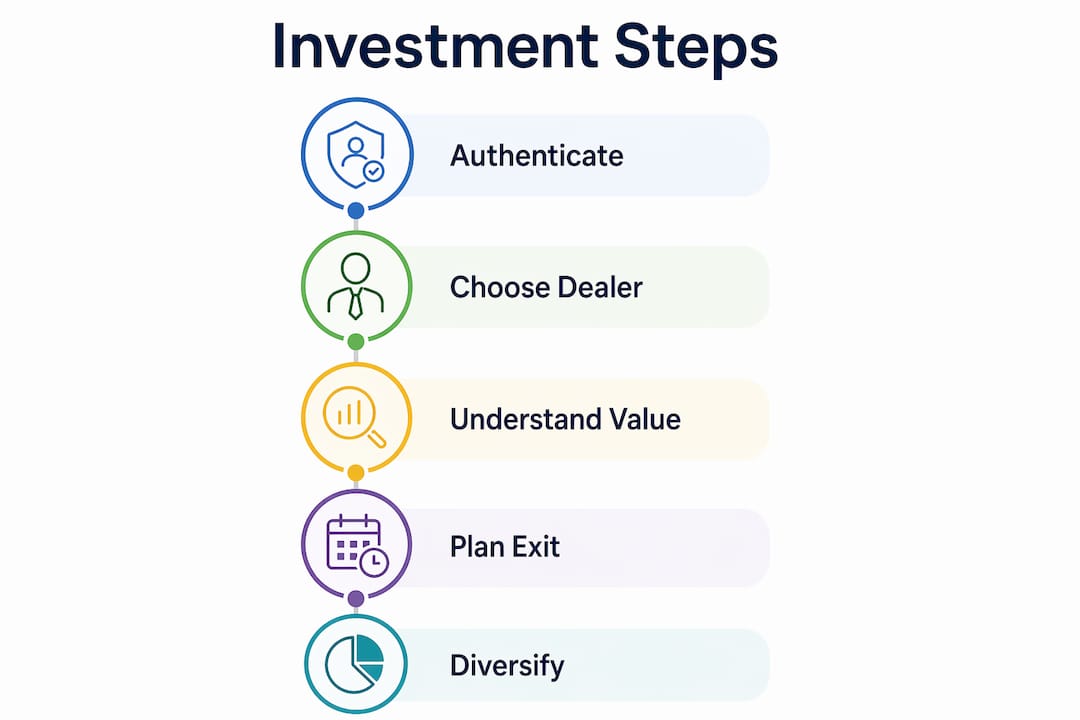
Choose reputable dealers. Buy from established retailers or auction houses with transparent pricing and documented sourcing. Bakergoldchains, for example, sources solid gold pieces from reputable U.S. suppliers and provides clear karat documentation. Transparency on sourcing and materials is a baseline requirement for any investment-grade purchase.
Understand what you are paying for. Break down the price into metal value, craftsmanship premium, and brand premium. For gold jewelry, check the current spot price and calculate the metal content value independently. This tells you how much of your purchase price is intrinsic value versus markup. Knowing this ratio helps you assess gold jewelry value before committing.
Plan your holding period and exit strategy. Jewelry rewards patience. A five-to-ten-year holding period is realistic for meaningful appreciation on most pieces. Identify your resale channel before you buy. Specialist buyers and reputable auction houses like Sotheby’s and Christie’s return better prices than pawn shops or scrap dealers, which typically pay only melt value.
Diversify within the category. Do not concentrate entirely in one metal or stone type. A mix of solid gold pieces, certified diamonds, and potentially one or two branded designer items gives you exposure to different appreciation drivers and reduces concentration risk within your jewelry portfolio.
Key takeaways
Jewelry investment rewards patience, quality selection, and informed buying far more than it rewards impulse or volume purchasing.
| Point | Details |
|---|---|
| Define your intent first | Investment jewelry requires a financial thesis, not just aesthetic preference. |
| Quality over quantity | World Gold Council data confirms buyers are concentrating value in fewer, higher-quality pieces. |
| Certification is non-negotiable | GIA-certified diamonds and hallmarked gold pieces command reliably higher resale prices. |
| Plan for a long holding period | Breaking even on gold jewelry typically takes five to seven years due to making charges and markups. |
| Match resale channel to piece type | Specialist buyers and auction houses return significantly more than pawn or scrap markets. |
Why I think most people misunderstand jewelry as an investment
People tend to frame jewelry investment as either “definitely worth it” or “a waste of money,” and both positions miss the point. The honest answer is that jewelry is a conditional investment. It works well under specific circumstances and fails under others.
What I have observed is that the investors who do well in this category treat jewelry the way a collector treats art. They buy with knowledge, hold with patience, and sell through the right channels. They do not buy a gold chain expecting to flip it in eighteen months for a profit. They understand that the long-term value of solid gold jewelry comes from both the metal’s appreciation and the piece’s wearability over years of use.
The biggest mistake I see is people buying gold-plated or fashion jewelry and calling it an investment. It is not. Only solid gold, certified stones, and branded pieces from recognized houses carry the documentation and intrinsic value needed to function as financial assets. Everything else is decoration, and there is nothing wrong with decoration. Just do not call it an investment.
My honest advice: start with solid gold from a transparent, reputable source. Learn to read karat stamps and understand what you are paying for. Build your knowledge before you build your collection. The market rewards expertise, and the features that make gold jewelry last physically are often the same ones that make it hold value financially.
— Blayne
Explore investment-grade gold jewelry at Bakergoldchains
Bakergoldchains offers a curated selection of solid gold pieces in 10K, 14K, and 18K gold, sourced from reputable U.S. suppliers with full karat documentation. Every piece is built for long-term wearability and backed by a lifetime craftsmanship guarantee, which matters when you are buying with value retention in mind.
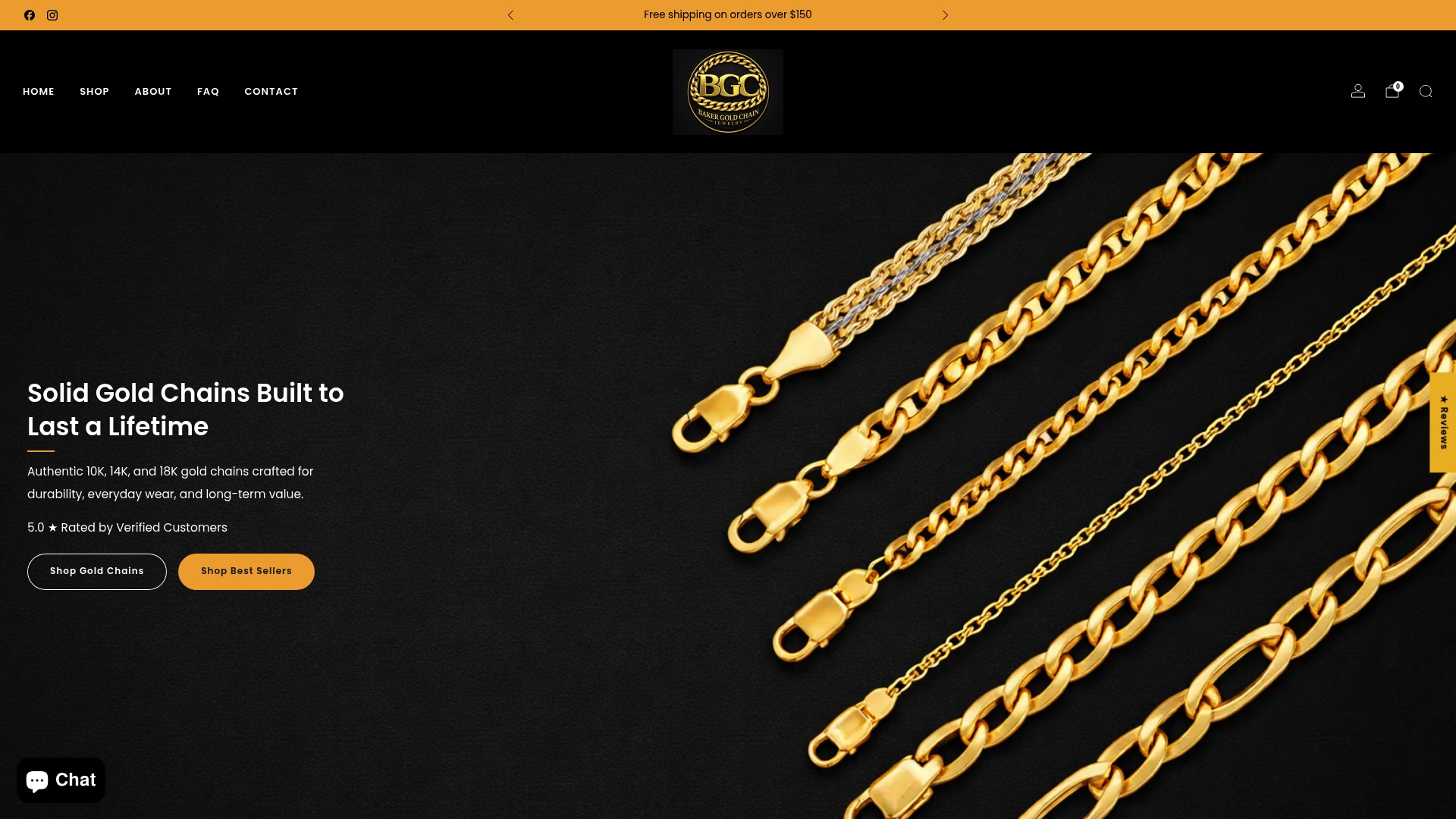
If you are looking for a starting point, the 14K yellow gold necklace in the Bakergoldchains collection combines solid gold construction with timeless design, making it a practical choice for investors who want a piece that wears well and holds intrinsic value. Free insured shipping on orders over $150 and flexible financing options make it straightforward to start building your collection with confidence.
FAQ
What is jewelry investment in simple terms?
Jewelry investment is buying fine jewelry, such as solid gold or certified diamonds, with the goal of preserving or growing financial value over time rather than purchasing purely for fashion. The value depends on metal purity, craftsmanship, certification, and brand prestige.
Is jewelry a good investment compared to gold bullion?
Gold jewelry typically underperforms bullion as a pure financial investment because making charges, retail markups, and taxes increase your cost basis. Breaking even on gold jewelry takes an average of five to seven years, while bullion tracks the spot price more directly.
What defines investment-grade jewelry?
Investment-grade jewelry is characterized by solid precious metal construction (14K, 18K, or 24K gold), credible gemstone certification such as a GIA certificate, and either strong brand prestige or documented rarity. Gold-plated, gold-filled, and uncertified pieces do not qualify.
How do I know if a diamond is worth investing in?
A diamond’s investment value depends almost entirely on its certification. GIA-certified natural diamonds command reliable market rates on resale, while uncertified stones and lab-grown diamonds fetch significantly lower prices in the secondary market.
How long should I hold jewelry as an investment?
A five-to-ten-year holding period is realistic for most investment jewelry to appreciate meaningfully above your purchase price. Shorter holding periods rarely recover the initial markup, making patience the most important factor in jewelry investment returns.
Recommended
- Gold Jewelry Value: What Every Buyer Needs to Know – Baker Gold Chains
- The Role of Gold in Fine Jewelry: A 2026 Buyer’s Guide – Baker Gold Chains
- What Is Fine Jewelry? Materials, Craft, and Buying Tips – Baker Gold Chains
- What Is Authentic Gold? Purity, Hallmarks, and Smart Buying – Baker Gold Chains

